
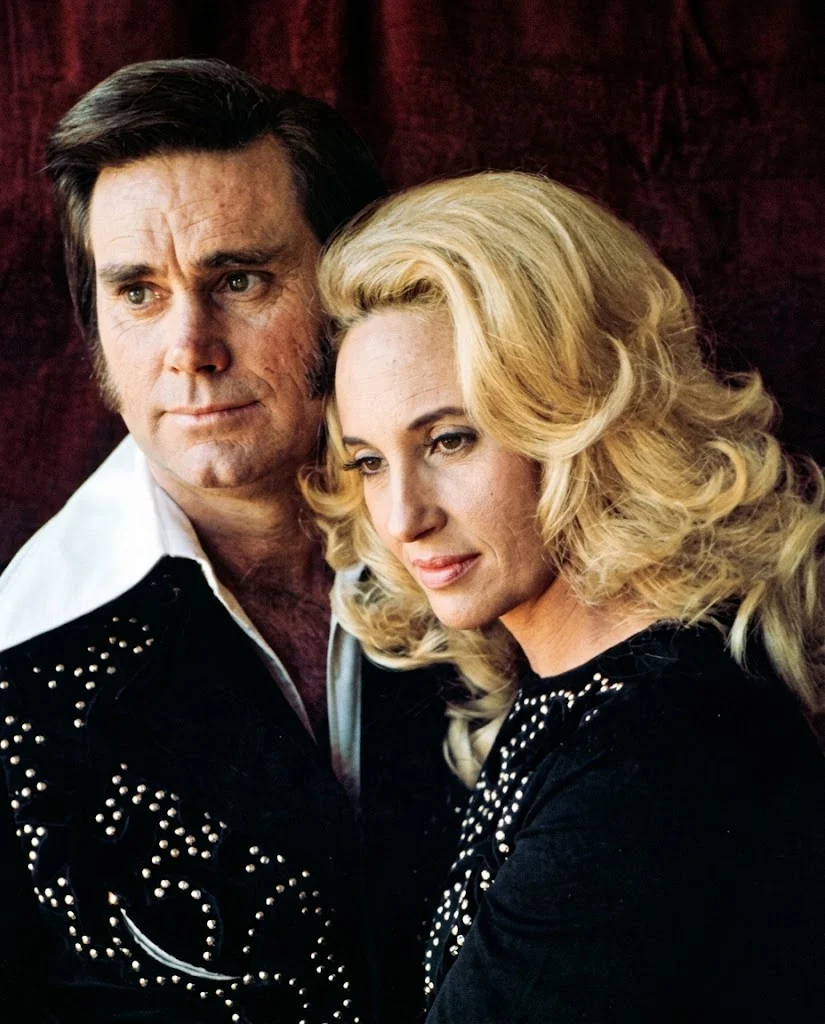
The Nashville establishment came to a sudden, devastating halt on April 6, 1998. Tammy Wynette, the globally beloved First Lady of Country Music, had passed away unexpectedly at just 55 years old, the victim of a blood clot in her lungs. For decades, fans had watched her battle chronic pain and a relentless touring schedule, all while living under the glare of a highly publicized personal life. But when the industry gathered to honor her memory, all eyes turned to a man who was no longer legally her husband.
George Jones walked into that sanctuary to say goodbye to the woman he had loved fiercely and lost painfully. The industry knew him as an unpredictable outlaw, a man whose chaotic reputation served as a shield. Yet the moment he stood beside her casket, that hardened exterior completely evaporated. In front of fellow artists, family, and the public, Jones wept uncontrollably. The raw, unfiltered grief he displayed in that room silenced years of tabloid rumors about lingering bitterness, revealing a bond that had quietly outlasted their legal separation.
Those tears were rooted in a deeply protective history. Thirty years earlier, in a flash of desperate clarity, Jones had dramatically flipped a heavy dining table to pull Wynette out of an abusive household, risking everything to give her an escape. Together, they forged the defining country duo of a generation, pouring the bleeding reality of their romance into every recording. But the passion that fueled their greatest hits could not withstand the crushing weight of his severe alcoholism. By 1975, their marriage had collapsed under the strain, ending in divorce.
For a long time, the public believed the emotional wounds were permanent. Yet the most revealing chapter of their story wasn’t written during their marriage—it was written during their reconciliation. In 1995, exactly twenty years after their bitter split, George and Tammy deliberately set aside their resentments and stepped back into a Nashville recording booth together. The result was the acoustic-driven reunion album One, a testament that while their romantic relationship was shattered, their profound respect for each other’s talent remained intact. They toured together, sitting side by side on stools, trading the toxic chaos of their younger years for a gentle, professional forgiveness. It was a crucial, healing chapter that allowed them to make peace with their history before time ran out.
That hard-earned reconciliation made his presence at her funeral all the more heartbreaking. The man who had been powerless to defeat his own demons in the 1970s was now utterly powerless to keep her from leaving. The divorce papers had legally dissolved their household, and the years had granted them separate lives and new spouses. But the sheer emotional collapse Jones suffered that day proved that the fierce, protective instinct that ignited in a 1968 dining room had never truly faded.
The greatest country duets are built on honest, unshielded friction. George Jones and Tammy Wynette left behind a historic catalog of heartache and harmony, but the quiet survival of their mutual respect was the truest legacy they ever built.