
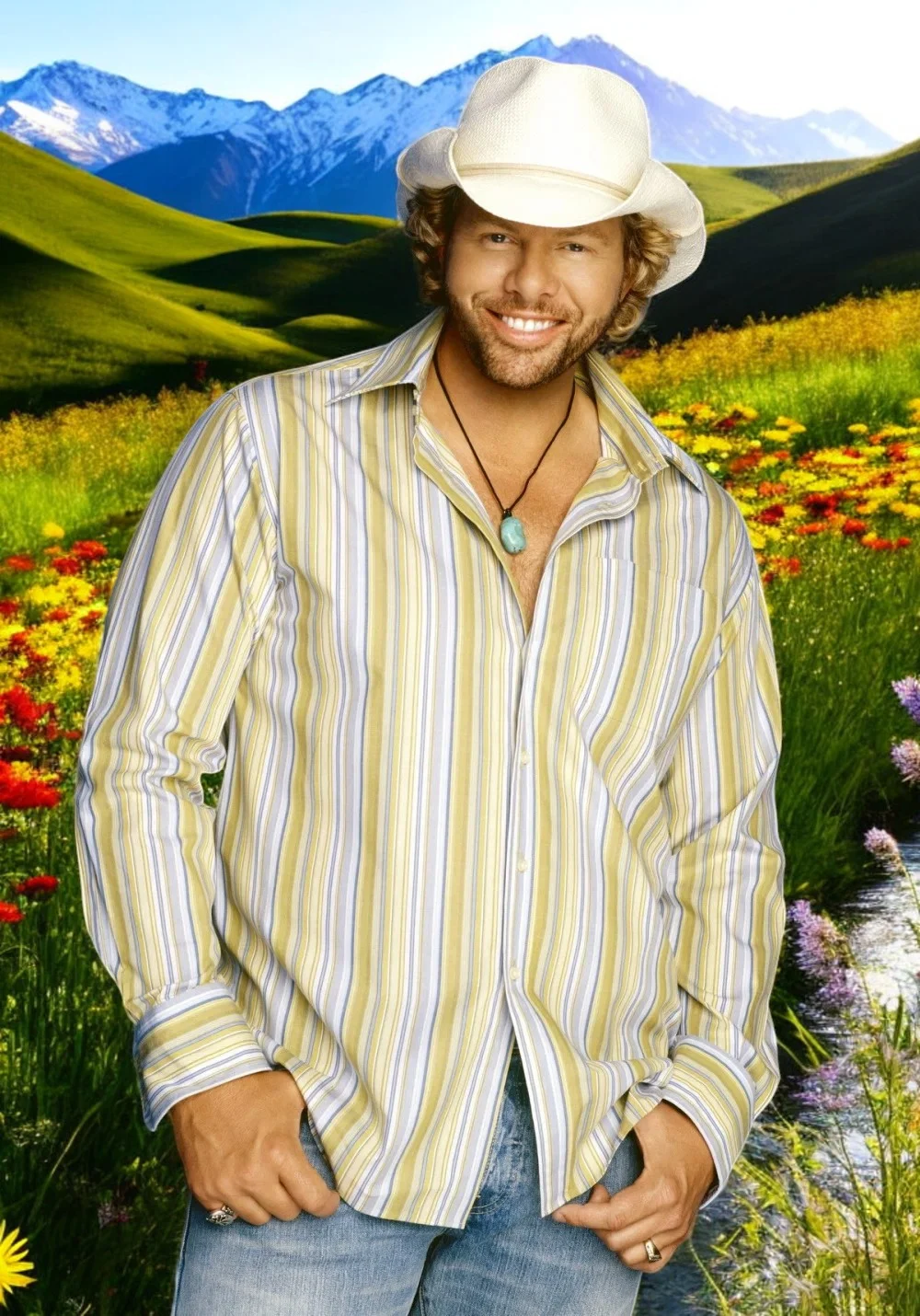
In a world where country music often glorifies the glamorous, Toby Keith took a bold detour with his 2010 hit, “Trailerhood” — a rousing celebration of life in the mobile home parks that dot the American landscape. This isn’t just a song; it’s a cultural statement that flips the script on what it means to live in a trailer.
“It’s a little piece of paradise way out here in the woods,” Keith croons, painting a picture of a community that thrives on its own terms.
Set against a backdrop of twangy guitars and a playful harmonica, “Trailerhood” introduces us to a cast of characters that feel like old friends. There’s Carl Dean, the neighbor with pink flamingos on his porch who runs a driving school by night, and Gamblin’ James, whose poker games cost just $15 to enter. The song’s vivid imagery — inflatable pools, tattooed arms, and the unmistakable aroma of barbecue — captures a world where neighbors become family and the block is alive with music ranging from Christian rock to blues.
But beneath the upbeat melody lies a deeper message. Keith acknowledges the realities of trailer park life, including the ever-present threat of tornadoes and financial challenges. Yet, he turns these moments into a testament to resilience. When the sirens sound, the response isn’t panic — it’s grabbing a lawn chair and a six-pack to watch the storm roll in. It’s this tongue-in-cheek spirit that makes the song so relatable and beloved.
“Trailerhood” transcended the charts to become an anthem for working-class pride. It sparked conversations about blue-collar life and challenged stereotypes, proving that community and joy can be found anywhere. For Toby Keith, it’s a fan favorite that still ignites singalongs at his concerts, a reminder of the resilience and camaraderie that define the American spirit.