
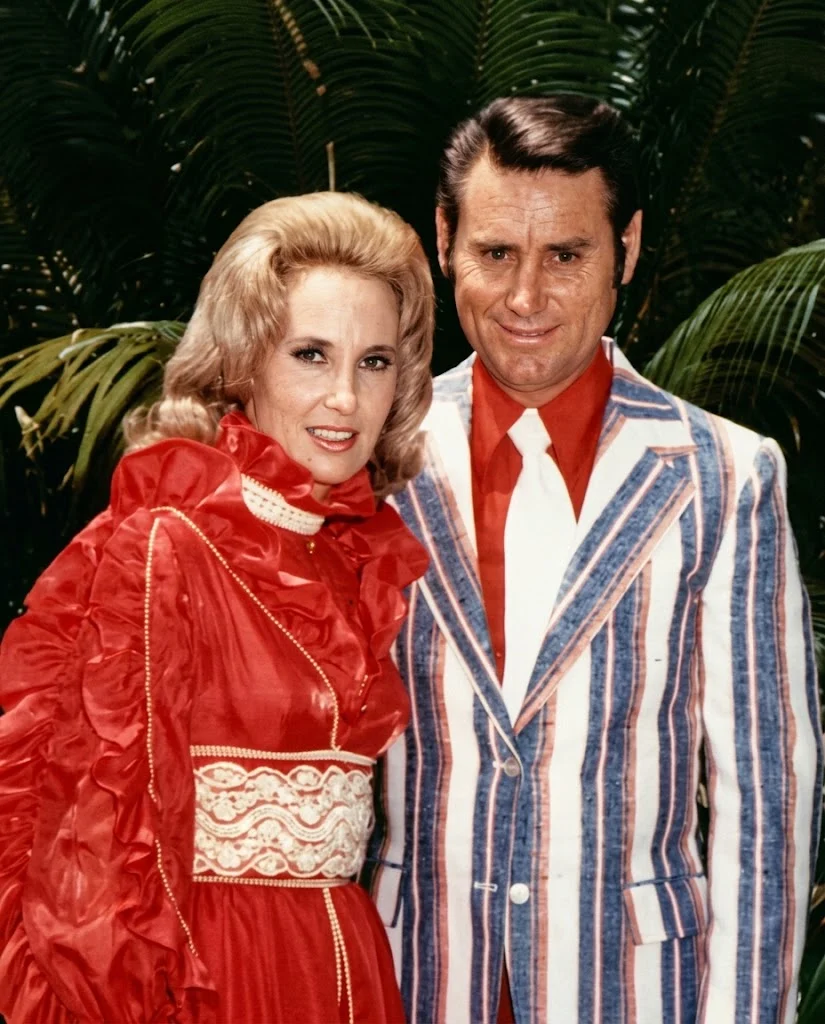
By the time George Jones held his 1996 memoir in his hands, he had finally outrun the bottles and pills that had ruled him. The victory was real. The cost was Tammy Wynette.
The country legend released I Lived to Tell It All after decades of chaos that had drained his money, canceled countless shows, and nearly ended his life. Nashville insiders had watched him battle severe alcoholism and drug addiction. By the time the hardcover reached stores, he had achieved sustained sobriety that many thought impossible.
That clear mind forced him to confront his 1975 divorce from Wynette. For years the press had blamed the road, fame, or fading affection. Jones used the book to dismantle those rumors and took complete responsibility for the collapse of their household.
He named Wynette as the greatest love he would ever know and admitted that his own paranoia, unpredictable rage, and crippling substance abuse were the absolute reasons their marriage failed.
Without liquor to blur his memory, he saw the truth in stark terms. His addiction had driven away the one woman who tried to anchor him when he was completely unmoored. By the mid-1990s he had become the reliable and steady man Wynette had waited years for him to become. The victory arrived too late to save the family they had built.
The printed confession became a formal public apology. It was a permanent admission that the foundation of their relationship had been broken by his illness and not by a lack of devotion. Wynette received that validation just two years before her sudden passing in 1998. The apology did not reopen bitter wounds or spark public retaliation. It cemented a quiet healing the two artists had already begun behind closed doors.
Months before the autobiography appeared, the divorced couple had put old resentments aside and stepped into a vocal booth together. They recorded the 1995 reunion album One and launched a highly anticipated acoustic tour. They sat on stools side by side and replaced the toxic chaos of their younger years with gentle professional forgiveness. Because they had rebuilt mutual respect, Wynette read her former husband’s admissions as a supportive colleague rather than an enemy. She publicly praised his hard-won sobriety and the raw truth of his writing. The book did not break them further apart. It offered closure and let her find peace in the fact that the man who once flipped a dining room table in a protective rage had finally found his own grace.
The music industry still treasures George and Tammy for a historic catalog of bleeding duets that define the gold standard of American country music. But the 1996 autobiography gave a legendary woman the public vindication she had always deserved, written by the only man who could give it.
The divorce papers legally separated their lives in the 1970s. His printed words and her quiet acceptance proved that the profound connection between them never actually disappeared.