
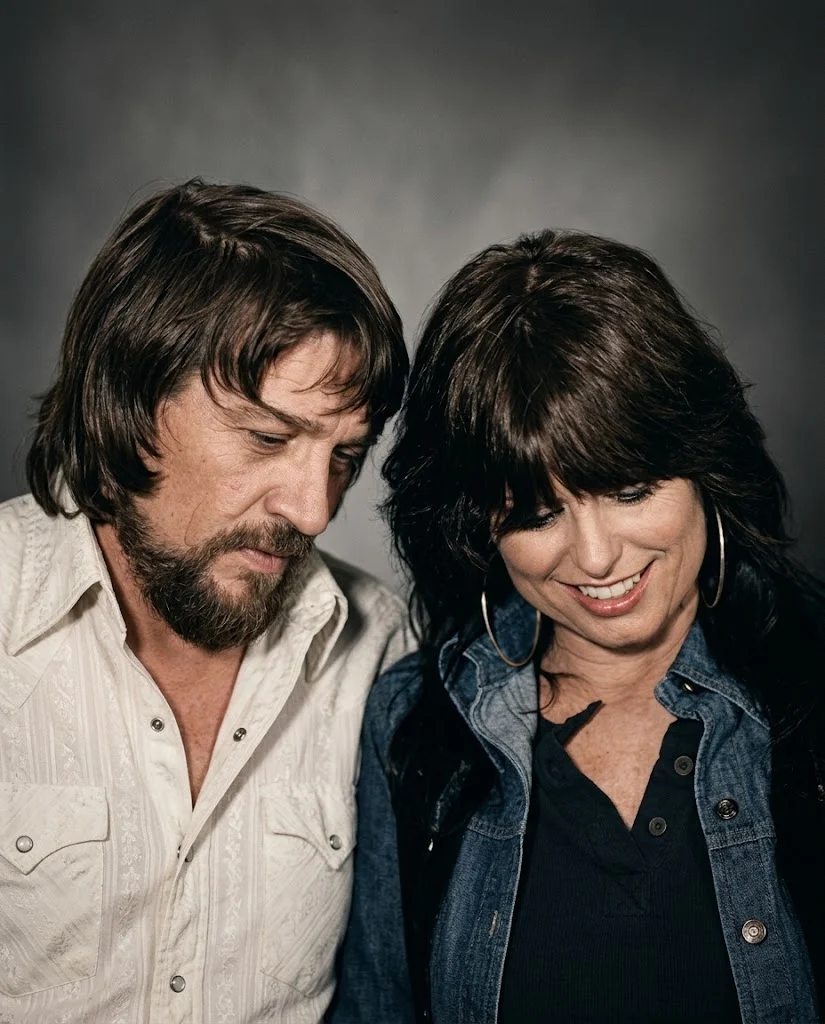
For thirty days, the most impatient man in Arizona and Nashville counted the calendar and waited by a telephone, because Jessi Colter would not accept a single date until her divorce was final.
By 1968, Waylon Jennings was rapidly gaining a reputation across the country music landscape as an uncompromising force who defied Music Row conventions. Performing marathon sets that blended West Texas rockabilly with hard honky tonk, he projected an untamed independence that few promoters or record executives could control and answered to no one.
That fierce posture softened when Jessi Colter reappeared in his life. Born Mirriam Johnson in Phoenix, Arizona, she was quietly ending her marriage to pioneering rock and roll guitarist Duane Eddy, with whom she had worked in recording studios years earlier.
When Colter returned to the Phoenix music scene and walked back into the Phoenix club circuit, Jennings made his romantic intentions unmistakably clear from the start while drawing packed crowds. Yet where others yielded to his forceful charisma, Colter immediately established an unbending boundary.
She declined private dinner dates, rejected late night visits, and made her rule clear in plain words. She would not begin any courtship until her divorce papers were officially finalized and the legal papers were signed. Jennings was famous for his volatile temper and impatience and an uncontrollable temper, yet he accepted her terms without argument, quietly tracking the days on the calendar for an entire month and giving her space until the final legal decree arrived.
Once the waiting period concluded, Jennings made the call she promised to answer. On October 26, 1969, the couple married in an intimate ceremony in Las Vegas, Nevada, uniting two artists who carried heavy emotional baggage and scars from earlier failed relationships. That quiet month established an uncommon trust before their personal and creative lives fully joined together.
Relocating to Tennessee, they faced a Nashville studio system resistant to their creative vision. Jennings insisted on using his road band The Waylors in the studio rather than established session players, while Colter brought a delicate and gospel infused piano style to their living room songwriting sessions.
Those early Nashville years required rigorous discipline on the road. The couple devised shared touring arrangements, traveling together on a single converted bus so they could write between concert stops and protect their domestic life from the exhausting separations common to touring musicians.
In their shared workspace, they refined duets that captured the tension between his gravelly baritone and her clear and soaring vocal delivery. That artistic solidarity bore fruit in 1976 when RCA Victor released Wanted! The Outlaws, an anthology featuring Jennings, Colter, Willie Nelson, and Tompall Glaser that became the first album in country music certified platinum for sales of one million copies.
It took root in a quiet month of restraint, when a headstrong singer proved he was willing to wait, and a steadfast woman showed him how to build a life on respect.
Behind the landmark records lay severe private challenges. Throughout the late 1970s, Jennings sank into a punishing cocaine addiction that cost thousands of dollars a day and brought him to the brink of physical and financial ruin.
Colter refused to abandon him during the darkest hours of that spiral and became the steadying presence who pulled him back. She protected their household, anchored their young son Waylon Albright Shooter Jennings, born in 1979, and provided steady emotional stability until Waylon finally conquered his substance abuse in 1984 and stood beside him through chart topping outlaw triumphs.
Their marriage endured for more than thirty two years, surviving the volatility of the Outlaw movement and the unforgiving pressures of the entertainment industry. When Jennings passed away from diabetes related complications on February 13, 2002, at age sixty four, Colter was holding his hand.
The music history books remembered them as the defining couple of an era that transformed country music and the most durable partnership in country music. Yet the real strength of their journey never rested in stage bravado or platinum records.