
Janis Joplin died before the world heard the performance that would make “Me and Bobby McGee” eternal.
Her voice arrived like a last confession on a dusty highway. She sang about freedom as if she had already paid for it with everything she loved. The recording turned a song about two drifters into a farewell the audience could not step away from.
Kris Kristofferson had written that song with a truth that felt larger than Nashville. By the late 1960s he seemed unlike most of the men around him. He was a Rhodes Scholar, an Army Ranger, and a helicopter pilot who swept floors at Columbia Records just to stay near music. Fame did not pull him. Honesty did.
He wrote “Me and Bobby McGee” around the ache of open roads, loneliness, and a bond that could not survive being held too tightly. The line “Freedom’s just another word for nothing left to lose” did not celebrate escape. It revealed the hollow place beside it.
Freedom’s just another word for nothing left to lose.
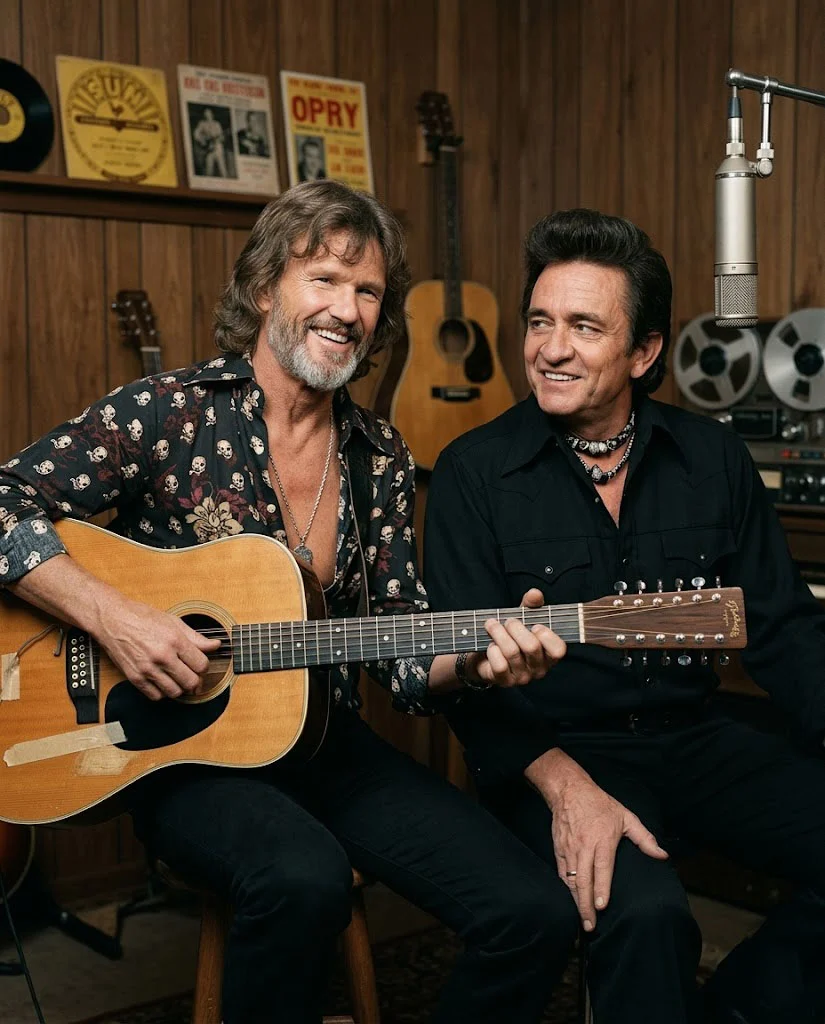
Roger Miller recorded the song first. Later Willie Nelson and Johnny Cash reached for it. Each brought something personal. Then Kris gave the song to Janis Joplin, and the story changed.
By the time Janis entered the studio, she carried a life that burned too bright. Fame came fast, and so did isolation. Beneath her wild energy and whiskey soaked performances sat a loneliness listeners could hear even when she laughed.
She did not perform “Me and Bobby McGee” like a polished hit. She sang it like someone trying to keep one last piece of freedom from vanishing. Joy, recklessness, and exhaustion moved together inside her voice. That mixture made the take unforgettable.
Then October 1970 brought the terrible truth. Janis Joplin died from a heroin overdose at only 27 years old. The public heard her version after she was gone. Every note now seemed to carry the weight of a voice already belonging to the past.
The single rose to number one on the Billboard Hot 100, became the biggest hit of her life, and stood as the only number one single of her career. It entered the Grammy Hall of Fame. It also became something harder to explain. It carried mortality.
Artists who later sang the song understood they were standing near something almost untouchable. Willie Nelson brought warmth. Johnny Cash brought gravity. Kris Kristofferson brought the wisdom of the writer. Janis Joplin brought the ghost.
That is why her recording still feels different. It is not only a country rock classic or a chart triumph. It is a human document. A man wrote the words. A woman gave them a soul. Somewhere between the two, the song became an endless goodbye drifting down a lonely highway.