
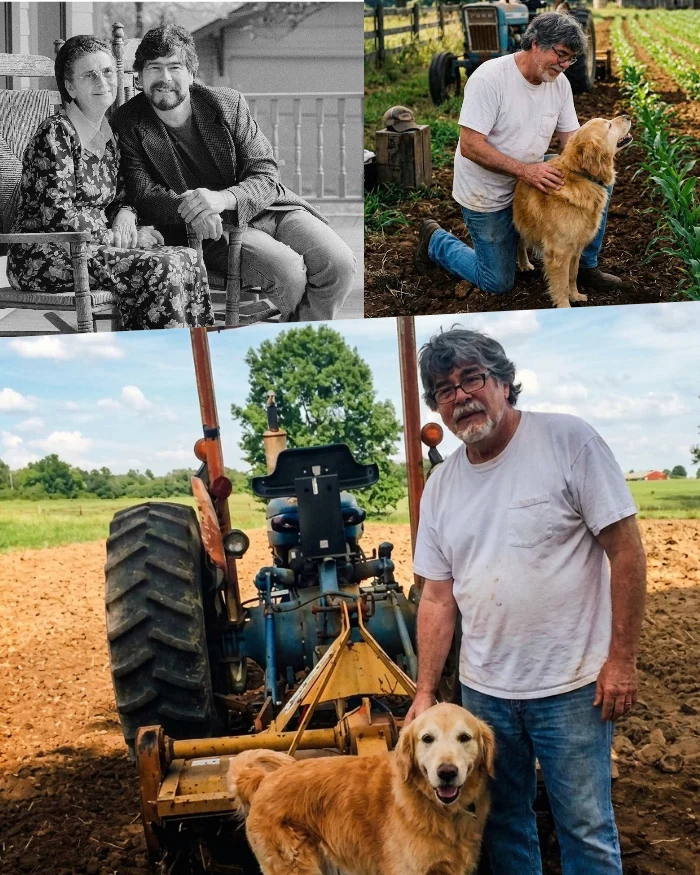
Fame could have swallowed Randy Owen whole. Yet the Alabama frontman still comes home to the red dirt near Fort Payne where his family worked fields for generations.
After forty-two number-one hits and seventy-five million records sold, Owen still measures life by fences he repairs and cattle he tends. He chose Lookout Mountain over Nashville compounds and Malibu retreats.
In the 1980s and 1990s, Alabama turned intimate dance halls into packed sports arenas. Owen’s clear southern voice anchored an astonishing run of twenty-one consecutive Billboard number-one singles.
That run made him a household name across America. It also brought pressure that could have erased the boy who picked cotton and shared a two-room house with his family.
The cost became personal in 1980. Alabama had signed with RCA Records and was rising with songs like Tennessee River when Owen lost his father, Gladstone Owen.
Tour dates were booked. Radio promotion was relentless. The machinery of national stardom offered almost no room to grieve.
Owen did not run from the stage, and he did not let the pace consume him. He leaned on his mother Martha’s prayers and the steady discipline of farm labor.
Whenever he stepped off the tour bus, rhinestones and stage lighting gave way to work boots, fencing pliers, and daily chores among his cattle.
Over four decades, that devotion grew into a registered Angus cattle operation. Owen expanded the family acreage and preserved open pastures that industry pressure could never buy out.
“The farm kept him whole when fame threatened to take everything else.”
His love for everyday families also sparked a movement beyond music. After a visit to St. Jude Children’s Research Hospital in Memphis in 1989, Owen challenged country radio stations across America to unite behind sick children.
That effort became Country Cares for St. Jude Kids, a radiothon network that has raised more than $1 billion. It ensures families facing childhood catastrophic diseases never receive a bill for treatment, travel, or housing.
Even as the initiative became one of the most successful humanitarian partnerships in radio history, Owen balanced national hospital board meetings with early morning feedings on his farm.
The Country Music Hall of Fame honored him in 2005. Yet neighbors in DeKalb County still see the same man checking water troughs, greeting locals in town, and driving past the fields that shaped him.