
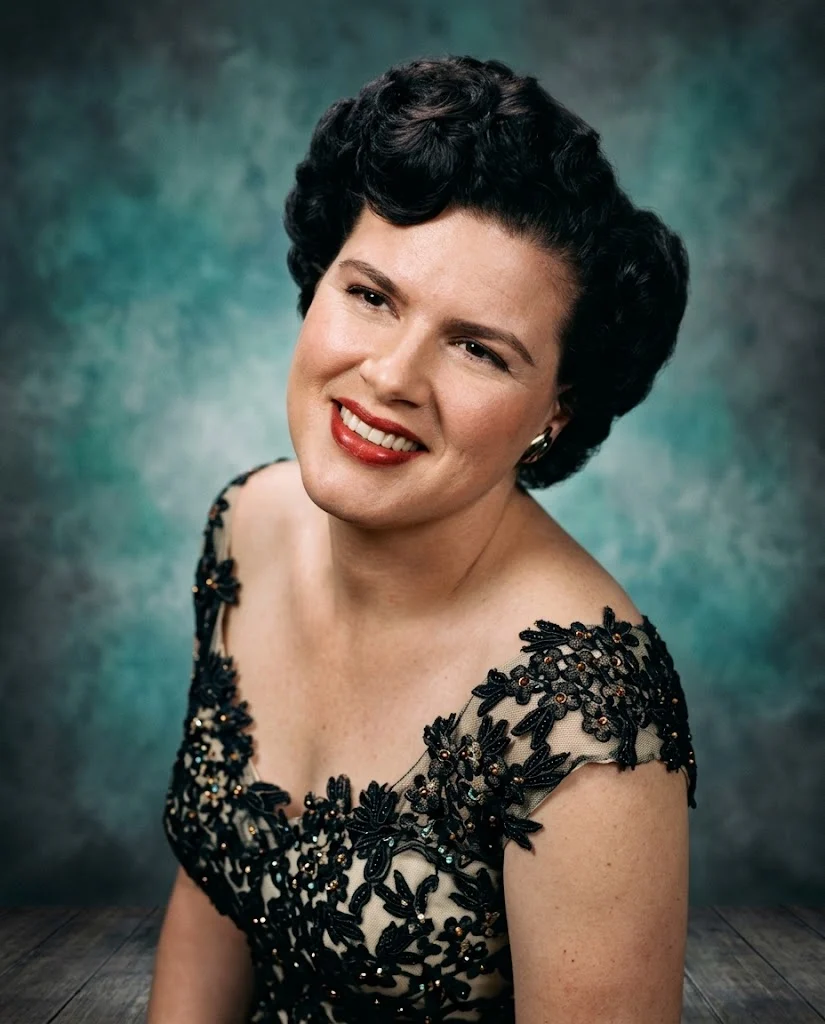
On a rainy March night in 1963 the country music world went quiet after a small plane vanished into the Tennessee woods. Patsy Cline was thirty years old. The voice that had carried heartbreak into homes across America had just become the reason for a new heartbreak.
Before that fog covered forest claimed her, she had already refused to let a car crash end her story. In June 1961 she survived a brutal head-on collision and was thrown through the windshield. Weeks in the hospital could not erase the scar on her forehead. She later returned to the Grand Ole Opry on crutches and wore the mark as proof that she had fought her way back.
Between 1961 and 1963 her heavy contralto crossed from country radio into pop radio. I Fall to Pieces and Crazy became standards that no one could ignore. She pushed past Nashville barriers and demanded center stage, equal pay and a respect that women singers rarely received.
By early 1963 she had sold-out concerts, financial independence and unmatched professional respect. The doors to a massive legacy were wide open. Fame packed her calendar and made studio time precious. In early February 1963 at the Quonset Hut in Nashville she worked with producer Owen Bradley on songs that would unknowingly become her final musical testaments. Sweet Dreams (Of You), Leavin’ on Your Mind and Faded Love captured a voice at the peak of its power.
Reports from those sessions describe a breathtaking focus. With a tour waiting, she delivered soaring vocals in one or two takes. She stood under the lights and poured lived experience into each phrase, preserving a lifetime of emotion in a handful of quiet hours.
Then the curtain fell less than a month later. After a benefit concert in Kansas City, a private Piper Comanche aircraft carrying the singer ran into severe storms and heavy fog. It went down near Camden, Tennessee, and ended a career that had only just reached its widest horizon.
Fans heard She’s Got You on radios and jukeboxes without knowing the singer had just died. The sweeping song about loss became even more devastating because it came from a woman who had fought so hard to be heard.
She did not fade away, and she never lost her audience. She simply ran out of time before she could finish her masterpiece
Her absence left a void that Nashville eventually honored with history. Ten years after her death she became the first solo female artist inducted into the Country Music Hall of Fame. The wooden stages where she once stood may have lost her for a moment, but her voice remains untouched by the years.