
The night Charley Pride accepted the Male Vocalist and Entertainer of the Year awards from the Country Music Association in 1971 felt like a quiet revolution. A Black artist had reached the highest honors in country music not through protest but through a warm love song that millions of families welcomed into their mornings.
The physical record cost only a few dollars yet it helped dismantle walls that had stood in Nashville for decades. His single Kiss an Angel Good Mornin’ had already become a phenomenon. The upbeat track ruled the Billboard country charts for five consecutive weeks and crossed into the Pop Top 40. That success opened a new door for Pride and for Nashville.
The awards ceremony broadcast from the historic Ryman Auditorium gave the moment even greater weight. The industry recognized what listeners had already felt. Pride had made country music sound more generous and more open.
Behind the hit stood songwriter Ben Peters. He wrote the lyrics from the quiet devotion of his own marriage. Inspired by his wife Jackie and the simple routine of leaving home for work Peters shaped a song about small acts of love that hold a relationship together.
Inside RCA Studio B producer Jack Clement made a choice that helped the record soar. Instead of covering the song with heavy strings he kept the arrangement bright and acoustic. A crisp guitar intro led into Pride’s smooth baritone and left space for his natural warmth.
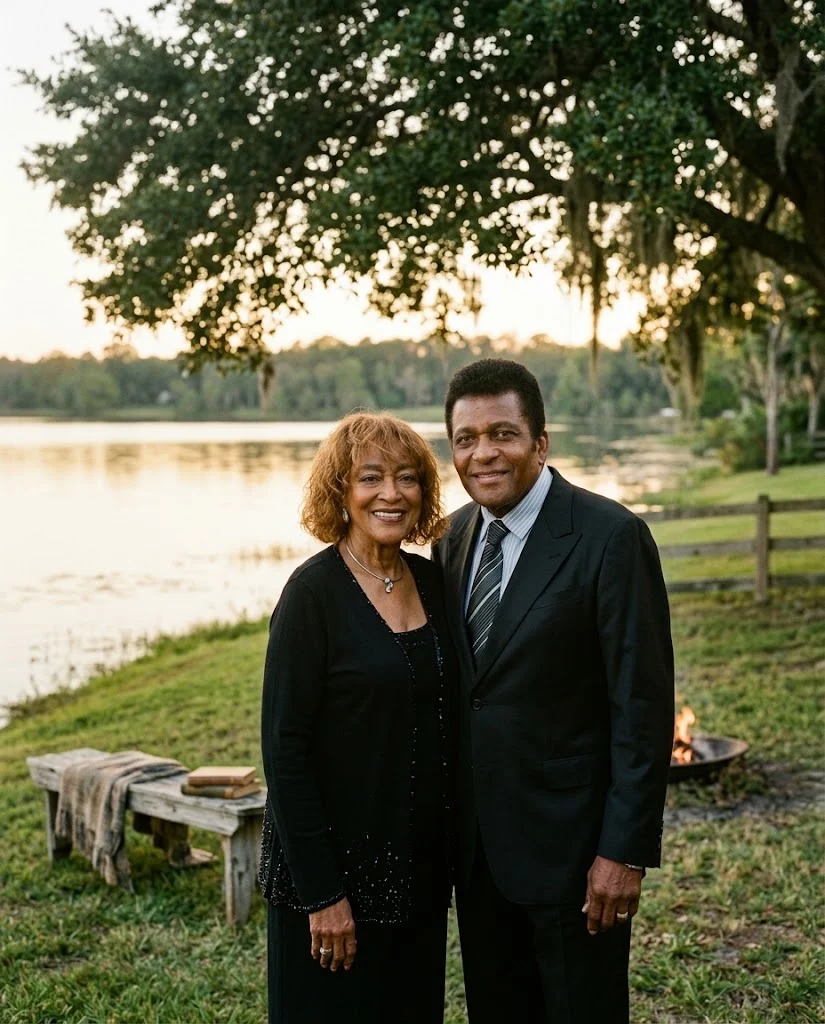
The vocal sounded like a conversation rather than a performance. For Pride that conversation belonged to his wife Rozene. She had stood beside him through minor league baseball and long shifts at a copper smelting plant in Montana before fame arrived.
While fans hummed the chorus Pride sang a public tribute to the woman who grounded his family. A fragile 45 record could wear out after many plays yet the voice inside it carried a quiet strength that changed hearts.
Pride used the gentlest sound to break the hardest barriers in country music history
The doors he opened with a smile stayed open. The song became more than a hit. It became proof that a simple melody could move a nation and reshape the boundaries of Nashville.