
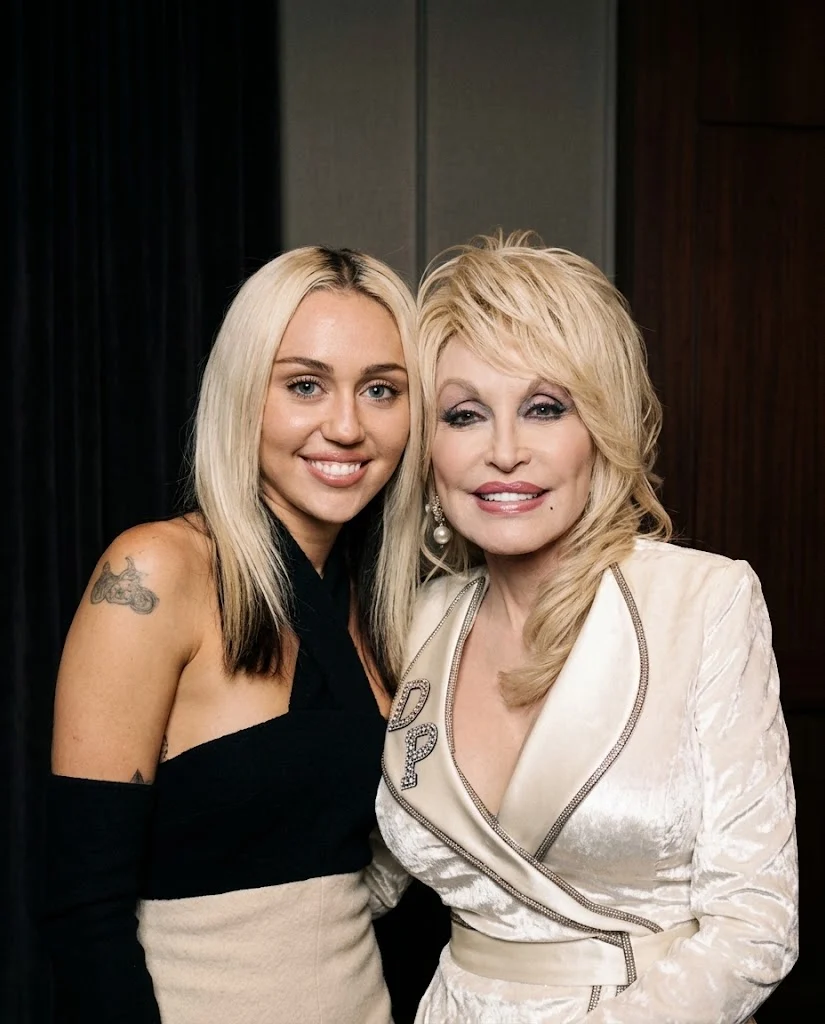
Dolly Parton chose protection over distance when Miley Cyrus faced a storm of public judgment.
Their bond began long before cameras, charts, or viral headlines. In the early 1990s, Dolly grew close to Billy Ray Cyrus during the rise of his country music breakthrough. When Destiny Hope Cyrus was born in Franklin, Tennessee, in November 1992, Dolly became her honorary fairy godmother.
That connection matured quietly. When Miley later starred in the Disney Channel series Hannah Montana in the mid 2000s, Dolly joined the show as Aunt Dolly. She gave a teenager a familiar presence while sudden national attention pressed around her.
The real test came around 2013. Miley was stepping away from child stardom and critics attacked every move. Many industry figures might have kept a safe distance, but Dolly did not. She used national interviews to defend her goddaughter and explain that a young artist needs room to build an identity.
She protected Miley by pointing the public back toward talent, not spectacle.
In 2014, Time named Miley one of the 100 most influential people in the world. Dolly wrote the tribute. She turned attention toward Miley’s vocal strength, songwriting gifts, and resilience instead of tabloid noise.
Dolly knew that journey. In the late 1960s and 1970s, Nashville traditionalists questioned her bold appearance and independent choices. That memory shaped the way she shielded Miley when the spotlight turned cruel.
Behind the bright stage, Dolly offered private advice, direct phone calls, and studio collaboration. She treated Miley as a fellow professional and encouraged creative control rather than lectures.
They also stood together on major stages. Their duets on national broadcasts and awards shows let a country legend proudly introduce a new artist to classic music while affirming Miley’s place in modern American sound.