
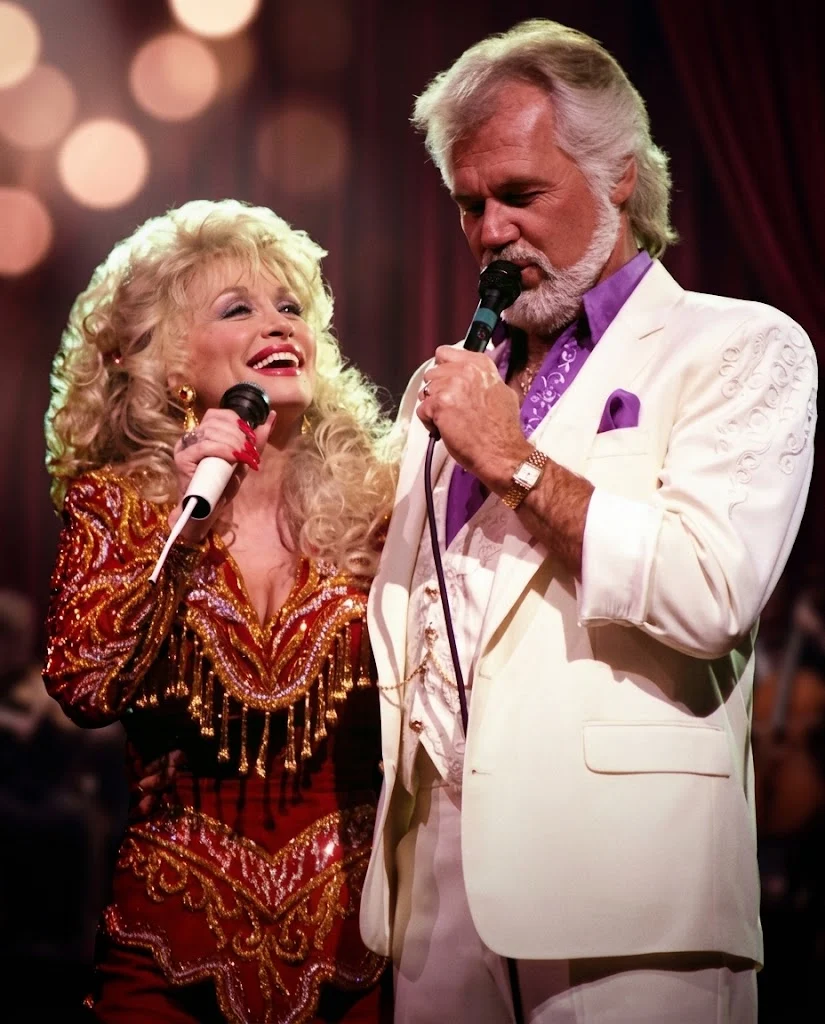
In a year marked by global lockdowns and isolation, one of country music’s most iconic voices was silenced in a way no one could have anticipated. Kenny Rogers, the baritone storyteller whose career spanned six decades)Skip to content
When Kenny Rogers passed away on March 20, 2020, at the age of 81, the world was already grappling with unprecedented shutdowns. His final days were spent not on a stage, but in the quiet sanctuary of his Georgia home, surrounded by his immediate family. His wife, Wanda, and their teenage twin sons, Justin and Jordan, stood by him as his health declined, offering comfort and privacy.
His death marked the end of a career that had earned three Grammy Awards, sold over 100 million records, and left an indelible mark on music. But it was the absence of a grand public farewell that made the moment even more poignant. Unable to gather for a traditional memorial due to pandemic restrictions, the music community had to say goodbye in a uniquely modern way.
The emotional anchor of that farewell came from Dolly Parton, his longtime collaborator and friend. In a raw, unpolished video recorded from her living room, Parton held an old framed photograph of the two of them against her chest. With tears in her eyes, she spoke directly to millions of isolated fans, her voice breaking as she shared her grief.
“He was a dear friend,” she said, her words carrying the weight of a partnership that had lasted over three decades. The two had first captured the world’s attention together in 1983 with their chart-topping collaboration on the Bee Gees-penned hit, cementing an enduring creative partnership.
Parton’s message was not just for the fans, but for the man who had been her closest musical confidant. Her words offered a glimpse into the deep personal void left by his absence, a void that resonated with fans who were themselves enduring isolation in their own homes.
For Rogers, the path to that final chapter had been a long one. Having retired from the road following his star-studded 2017 farewell concert in Nashville, he had chosen to spend his remaining years away from the industry spotlight. The quiet atmosphere at home allowed him to step away from the relentless demands of fame, trading backstage corridors for unhurried conversations around the kitchen table.
He had achieved every milestone the entertainment industry could offer, yet he deliberately chose a peaceful, private departure centered on the people he loved most. When the news of his death was announced, fans around the world turned to their radios, finding solace in the storytelling songs that had defined generations of road trips and family gatherings.
Tributes poured in from contemporaries across multiple genres, from Lionel Richie to Reba McEntire, each noting his rare ability to deliver narrative songs with warm, conversational authenticity. Rogers had spent a lifetime singing about knowing when to walk away, and his final exit mirrored that same unhurried dignity. He left behind no unfinished business on the stage, having already given everything to the craft before quietly returning home.