
Alan Jackson climbed to the top of the country charts by turning a private wound into a public song, yet the deepest meaning of the record lived in the final images of his daughters sitting with him.
In January 2000, Eugene ‘Gene’ Jackson died. His son Alan Jackson was at the height of his career, playing arenas and collecting platinum records, but the funeral left him searching for a way to speak with a father who could no longer hear him. He did not chase a radio hit. He wrote a personal tribute to process grief.
Two years later, that grief became ‘Drive (For Daddy Gene).’ In spring 2002, the song rose to number one on the Billboard Country chart. Its power came from plain childhood memories, including steering a small wooden boat and holding the wheel of an old dirt road truck while his father sat beside him.
A parent hands down confidence not through grand speeches but by letting a child take the wheel.
Turning a journal-like song into a major release required trust. Jackson played the acoustic demo for producer Keith Stegall, and the honesty of the writing demanded a place on records. Jackson used his standing to protect the raw details and keep the arrangement simple.
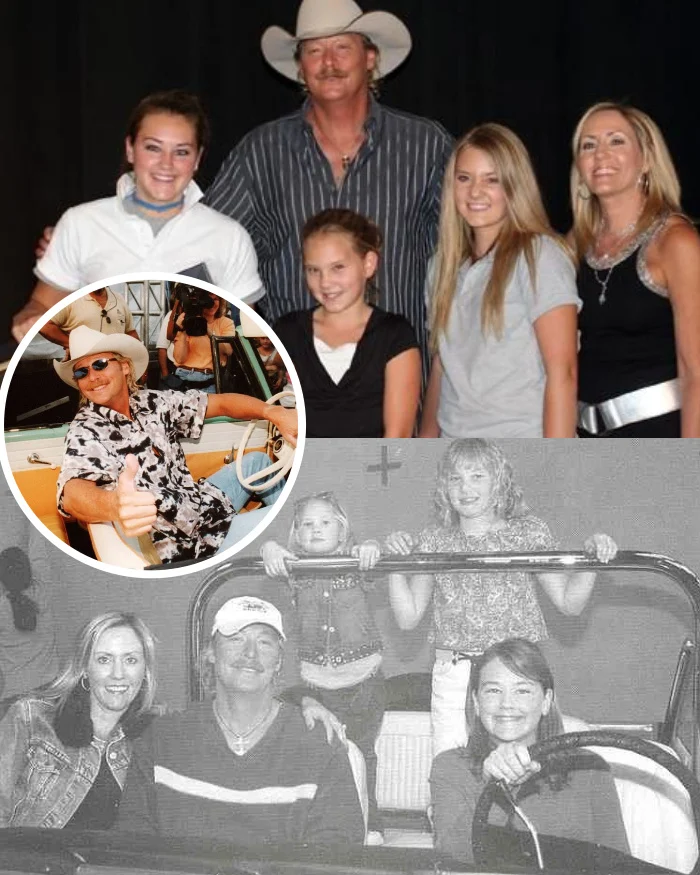
The most meaningful decision came during the video shoot. Jackson did not hire child actors. He took Mattie, Ali, and Dani to a pasture and filmed them sitting in his lap while their small hands rested on the steering wheel of a rusted Jeep. His larger hands covered theirs.
That image mirrored the care Gene had once given him. As Jackson mourned the man who raised him, he offered the same shelter to his own children. The laughter in the dusty field became a living answer to loss.
The rusted Jeep aged, and the girls grew into their own adult lives. The song remains a quiet proof that honoring a father can mean passing the wheel forward.