
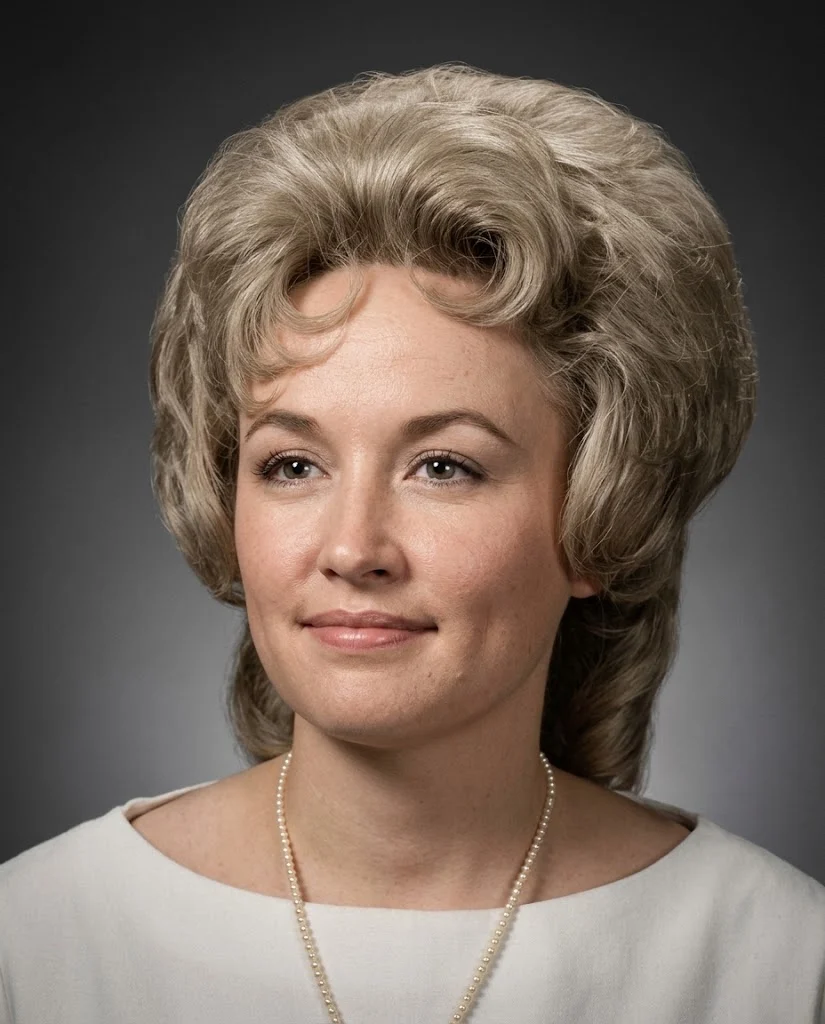
Everything she owned fit inside thin grocery sacks that could easily tear, but the handwritten lyrics tucked among her worn clothes carried a future no one in Nashville could yet imagine. She did not escape her Appalachian roots to succeed, she carried them with unwavering pride into every studio and stage that followed.
She built a timeless legacy not by escaping her Appalachian heritage but by carrying it with unwavering pride into every corner of American music.
On the morning of June 1, 1964, the very day after graduating from Sevier County High School, eighteen year old Dolly Parton stepped onto a bus bound for Nashville, Tennessee. She brought everything she owned stuffed into paper grocery bags. Behind her lay the isolated poverty of Locust Ridge in the Great Smoky Mountains, where twelve children lived in a one room rustic cabin without indoor plumbing. Before her lay the most competitive recording industry in the country and she entered it without a safety net while carrying the financial hopes of a massive family that had survived on pork fat soap and cobweb bandages.
Her arrival in Music City marked both a personal turning point and a decisive career gamble. On her first afternoon in town, while doing laundry at the Wishy Washy Laundromat on 16th Avenue South, she struck up a conversation with Carl Dean, a young man paving asphalt outside. That chance encounter led to a quiet and steadfast marriage that began two years later in Ringgold, Georgia and remained an unshakable foundation away from the spotlight for over half a century.
Professional success demanded persistence and grit. Working alongside her uncle Bill Owens, who had long believed in her musical gifts and helped finance her initial ambitions, Parton pitched songs to every publishing house in town. Rejections were constant and money was thin. She survived on hot dogs and mustard while knocking on office doors along Music Row.
Breakthrough momentum arrived when songwriter Fred Foster and publisher Bob Beckham signed Parton and Owens to Combine Music. Parton secured a steady income by writing chart topping material for established artists, including Bill Phillips and his 1966 hit record Put It Off Until Tomorrow on which she sang uncredited harmony. That success earned her a solo recording deal with Monument Records.
From the start Parton recognized that true long term creative freedom required controlling her intellectual property. During her tenure with Combine Music she retained significant shares of her publishing rights and eventually established her own publishing companies Velvet Apple and Owepar alongside Owens and Porter Wagoner. That early business acumen laid the foundation for her legendary 1970s refusal to give up half of her publishing rights to Elvis Presley management when he sought to record I Will Always Love You.
In 1967 Porter Wagoner invited the young songwriter to join his syndicated national television program, replacing the beloved singer Norma Jean. Fans initially resisted the newcomer but Parton won over audiences each week with her soaring soprano and self deprecating wit and vivid autobiographical compositions. Her 1971 release Coat of Many Colors captured the dignity and hardship of her childhood with total authenticity.
By 1974 Parton made the bold decision to leave Wagoner organization to pursue a solo career, crafting I Will Always Love You as a respectful farewell to her longtime mentor. Her 1977 crossover hit Here You Come Again propelled her into pop superstardom, followed by an Academy Award nomination for her acting and songwriting work on the 1980 workplace comedy film 9 to 5.
Across six decades Parton transformed her humble roots into global cultural influence, selling over one hundred million records and earning countless industry honors and building an entertainment enterprise that includes the Dollywood theme park in Pigeon Forge, Tennessee. Through her Imagination Library foundation she has gifted more than two hundred million books to young children worldwide.
Dolly Parton arrived on Music Row with nothing more than worn clothing packed in paper grocery bags and an unshakable belief in her own storytelling. She eventually traded the torn grocery sacks for crystal studded dresses and global arenas, proving that uncompromising talent and unyielding resolve built an enduring music empire and that how she navigated those early Combine Music contracts reveals the brilliant business strategy operating quietly behind her country charm.