
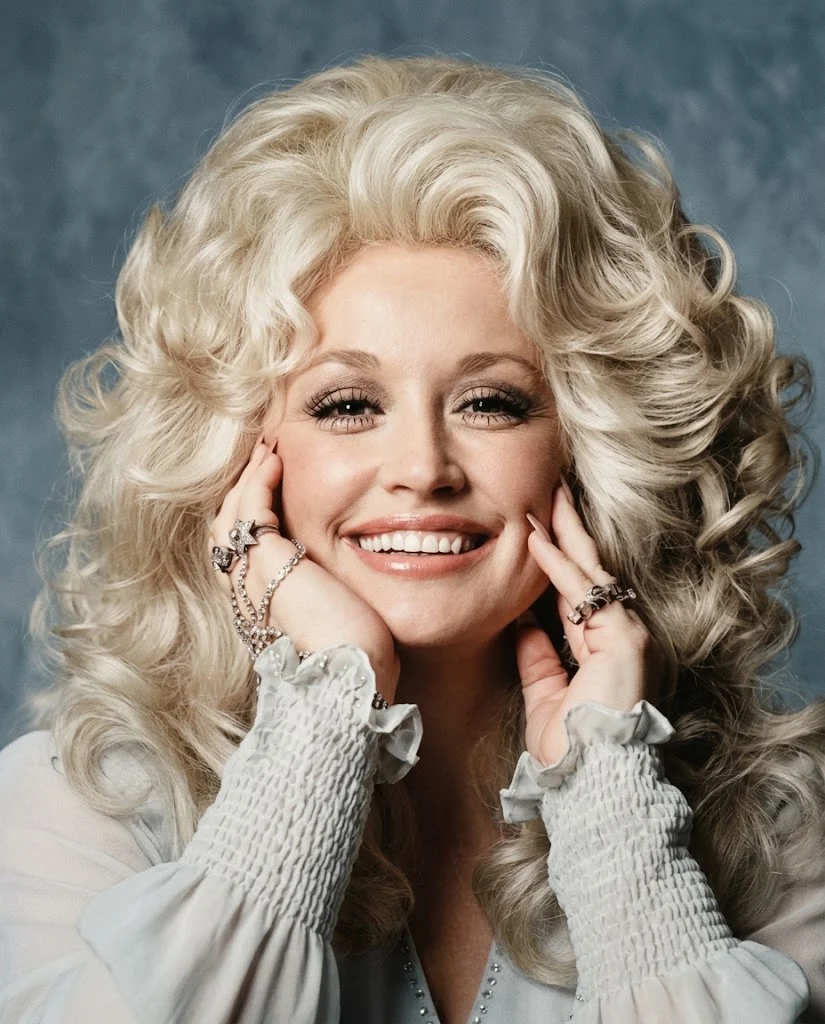
On a bitter January morning in 1946, a country doctor rode his horse through ice and snow to a one-room cabin in the Great Smoky Mountains, and a mountain family paid for a baby girl with a sack of cornmeal.
That baby became Dolly Parton, and the doctor became the man she spent years honoring through rural healthcare.
The freezing date was January 19, 1946, and Dr. Robert F. Thomas traveled into Locust Ridge, Tennessee, to help Avie Lee Parton deliver her fourth child, Dolly Rebecca Parton.
Robert Lee Parton and Avie Lee Parton had no cash for medical care, so Lee handed the missionary physician a twenty-five-pound sack of homegrown cornmeal after the birth was complete.
Dr. Thomas accepted the gift with gratitude, set it on his saddle, and rode back into the hollows to keep serving families who had little and needed much.
A humble sack of cornmeal became the seed of a hospital legacy
For Dr. Thomas, payment in cornmeal, firewood, hams, garden vegetables, or sorghum was common in mountain medicine.
He arrived in the Smokies in the late 1920s and established the Pittman Center mission, then spent decades traveling by horse and foot through homes without electricity or running water.
His clinic records show thousands of visits, and he delivered more than a thousand babies while treating illness and setting broken bones in remote Appalachian communities.
The cornmeal story stayed alive in the Parton family, and Dolly honored Dr. Thomas on her 1973 concept album My Tennessee Mountain Home.
But fame and songs did not satisfy her when she saw that Sevier County still lacked modern medical access.
In 1983, Dolly Parton created the Robert F. Thomas Foundation in Sevierville, a nonprofit aimed at expanding rural healthcare across the mountains.
Through benefit concerts, personal funds, and community partnerships, she raised millions of dollars to build the Robert F. Thomas Rehabilitation Center and help construct the LeConte Medical Center.
The work also outfitted mobile ambulances and provided free or low-cost care for thousands of Appalachian families.
She refused to put her own name on the hospital walls and kept the spotlight on the doctor who accepted a bag of grain from a mountain farmer.
A single act of generosity in a snowstorm eventually grew into an entire medical network for her home county.
The private ledgers, clinic archives, and full roster of families Dr. Thomas served remain a vital chapter in Appalachian history.