
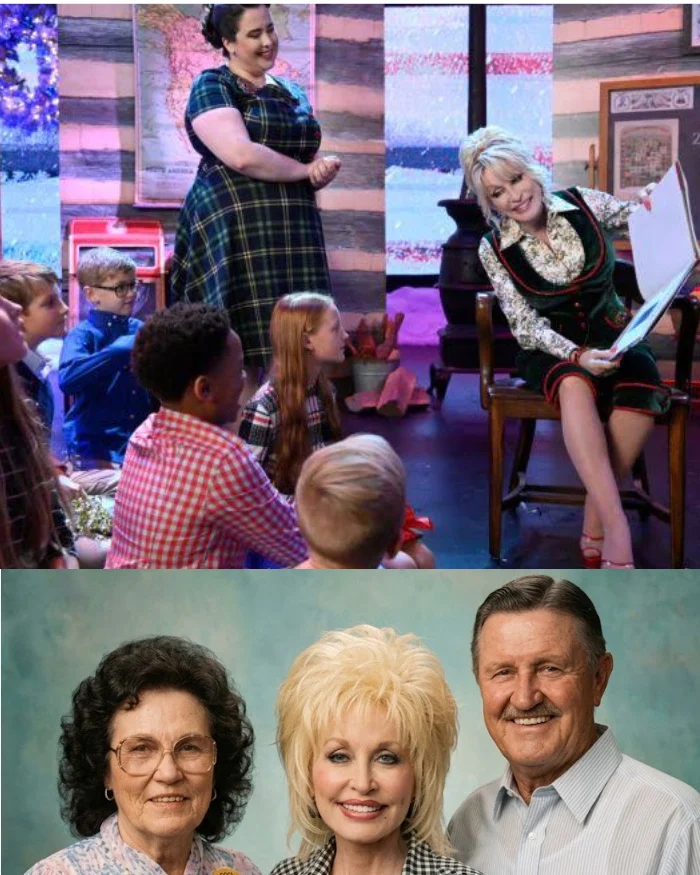
On graduation day in Sevier County, Tennessee, a teenager walks across a stage and collects more than a diploma. The $500 check in hand is the final payment on a promise made years earlier, when Dolly Parton asked seventh graders to do something simple and hard. Finish school, and bring a friend with you.
Parton is known for towering wigs, rhinestone costumes, and country hits that conquered global charts. Yet her most permanent investment sits far from the flashing marquees of Music Row. It is a quiet financial infrastructure built to dismantle the generational poverty that shaped her Appalachian childhood.
In 1991, Sevier County faced a systemic crisis. The high school dropout rate hovered around 35 percent. Parton saw that intervention had to begin long before teenagers reached driving age. Her answer was the Buddy Program, aimed at seventh and eighth graders.
The offer was direct. Students would receive $500 on their future graduation day. The money came with one strict condition. Each student had to pair up with a friend and sign a mutual contract. Both had to finish high school together. If one walked away, the deal was voided, and neither received the cash.
Behind the scenes, the Dollywood Foundation did not simply wait at the finish line with a checkbook. Her local administration built a structured support operation. The foundation worked with Sevier County school counselors to track attendance, grades, and academic progress from the moment contracts were signed in middle school. Coordinators and teachers conducted regular check-ins through high school. They identified at-risk pairings early and provided mentorship so neither student slipped through the cracks.
That hands-on accountability produced staggering results. Driven by peer support, institutional mentorship, and a tangible reward, the dropout rate for participating classes in Sevier County fell from 35 percent to a sustained average of just six percent.
Parton expanded the safety net over the next three decades. A high school diploma was only the beginning. Her foundation began awarding $15,000 annual scholarships to exceptional local high school seniors. The goal was to remove the crushing financial barriers that often keep rural students from pursuing higher education.
She also extended the commitment into her corporate workforce. Through her Dollywood properties, she introduced GROW U, a program that covers 100 percent of tuition, books, and administrative fees for employees pursuing college degrees or specialized trade certifications.
Every check written for these local programs was rooted in a deeply personal family history. Dolly grew up in a cramped two-room cabin in the Smoky Mountains alongside eleven siblings. She watched her parents trade exhausting physical labor just to keep the household fed through freezing winters.
Her father, Robert Lee Parton, was a brilliant and hardworking mountain farmer who never had the opportunity to attend school. He never learned to read or write. Despite his lifelong illiteracy, Parton proudly called him the smartest man she ever knew. She understood that his lack of formal education was a circumstance of rural destitution, not a reflection of his intellect.
She frequently called him the smartest man she ever knew.
The massive educational funding she engineered was a quiet and deliberate effort to remove the exact limitations that had restricted his generation. She used her stage fame and commercial wealth to rewrite her community’s historical association with severe Appalachian poverty.
The music industry will always measure her greatness by the millions of records she sold and the cultural barriers she shattered. But the teenagers who confidently walk across graduation stages because of her funding represent her most permanent and vital work.
The fortune she earned with her voice did not just build a personal entertainment empire. It built a permanent and reliable bridge out of the mountains for thousands of children who simply needed someone to ensure they made the climb together.