
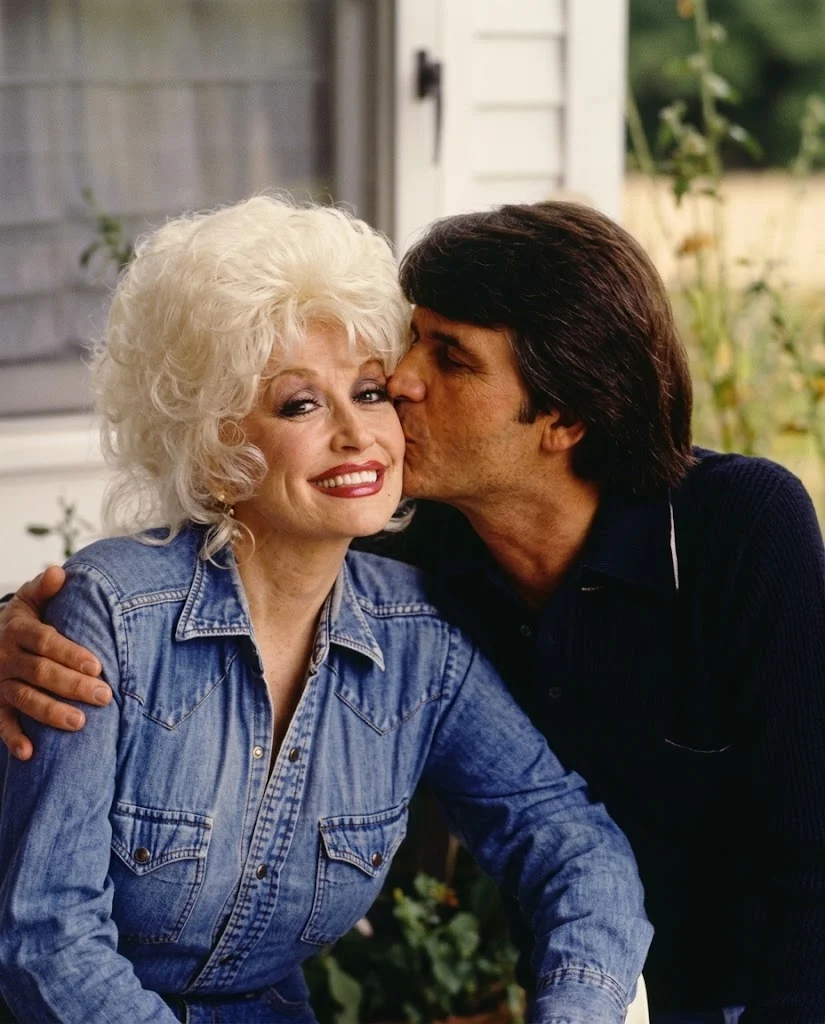
Dolly Parton cried through the night after giving up the biggest pop star on the planet. She had just written two songs that would outlive her own fears. One began as a trembling plea about a bank teller flirting with Carl Dean. The other became the gentle door she closed on Porter Wagoner and the career that had shaped her.
In 1973 she sat down with her guitar and poured a private insecurity into ‘Jolene’. The name came from a young autograph seeker with striking red hair. The story was not about rage. It was about a wife begging a tall bank employee to spare the home she loved.
Hours later she faced a different kind of heartbreak. She had joined Porter Wagoner’s syndicated television show in 1967 and turned a seven-year partnership into a launch pad. By 1973 she needed to become a solo artist. Arguments could not carry the message. So she wrote ‘I Will Always Love You’ and sang it to him the next morning. It was a farewell without bitterness and a declaration that her future belonged to her.
She used vulnerability to protect her family and music to protect her independence.
For decades people whispered that both classics had been written inside one twenty-four-hour window. The myth became hard evidence when Parton found an old cassette containing raw acoustic work tapes. The two songs sat one after the other and captured the exact day she turned fear into freedom.
The decision to leave Wagoner’s show eventually helped make her a global act. The cost of that freedom arrived when Elvis Presley heard ‘I Will Always Love You’. He had the track learned and was ready to enter the recording studio. That choice would have delivered enormous fame and a major royalty check. But Colonel Tom Parker told her that Elvis took half the publishing rights on every song he recorded.
Parton wept through the night. She still refused. She chose to leave that immediate money on the table so the song could remain fully hers. Years later Whitney Houston carried the ballad through a cinematic soundtrack and Parton’s publishing empire stood intact.
She did not merely write two timeless classics in one afternoon. She built a life’s work by trusting her own voice and never signing away the rights to her own story.