
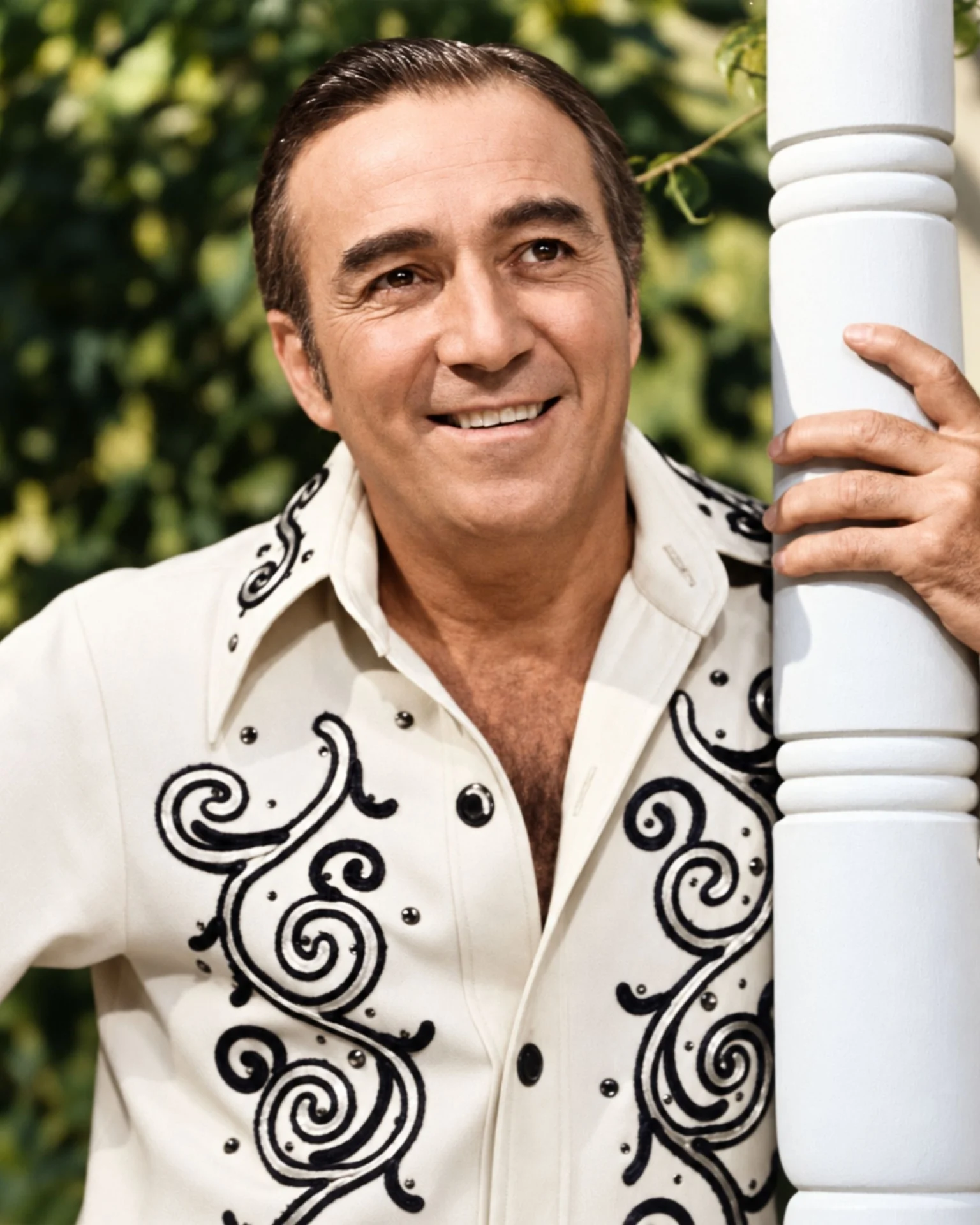
Four Years Later Faron Young Was Inducted Into The Country Music Hall Of Fame
By then the songs had outlasted the period when Nashville stopped calling
His career had gone quiet but his influence had not
Faron Young spent two decades as one of the biggest stars of Nashville and by the mid 1990s younger acts were rediscovering his songs while Young himself felt the industry had already left him behind
In the 1950s and early 1960s Faron Young rarely had to wonder whether Nashville wanted him
He came out of the Louisiana Hayride and signed with Capitol and built a run of hard country hits including Goin Steady and Live Fast Love Hard Die Young and Sweet Dreams and Hello Walls
He was loud and funny and competitive and impossible to ignore and the kind of star whose personality could fill a room before he sang a note
The hits kept coming after he moved to Mercury and Wine Me Up returned him to the upper reaches of the charts and in 1971 It’s Four in the Morning became his final No. 1
But by the middle of that decade the records were slowing and his last major country hit came in 1974 and later label changes never restored the momentum he had once taken for granted
Being Respected Was Not The Same As Being Wanted
Young did not disappear from Nashville and he had invested in Music Row property and founded Music City News and had long helped younger talent
Willie Nelson and Don Gibson and Bill Anderson benefited from his willingness to record their songs and Roger Miller and Johnny Paycheck spent time in his band while Kris Kristofferson once earned rent money doing labor for him
After a brief period recording for the independent Step One label beginning in 1988 Young gradually withdrew from public view and at the same time his health deteriorated
He suffered from emphysema and underwent prostate surgery and friends later said he had become deeply depressed
There was an especially bitter irony in what happened next because by the mid 1990s younger traditional country musicians such as BR5-49 were exposing a new generation to the kind of music Young had made decades earlier and his sound was beginning to look valuable again
The Hall Of Fame Came After The Silence
Young apparently did not experience it that way and the Country Music Hall of Fame notes that he felt the industry had turned its back on him
On December 9 1996 he shot himself at his Nashville home and he died in the hospital the following day at 64
Police found a note while friends pointed to his declining health and depression as part of the circumstances surrounding his death
The industry may have stopped calling but the music had not stopped speaking
And the younger musicians digging those records back out were proving something Young did not live long enough to fully see because he was being remembered in ways he may not have been able to feel