
The keys were gone. The car was hidden. So George Jones climbed onto a riding lawnmower and steered it ten miles toward the liquor store. That desperate ride became country music folklore, but it was never a joke to the man behind it. It was an escape route from a world that felt too loud, too heavy, and too impossible to face.
For decades fans knew him as “No Show Jones,” the superstar who vanished when the stage lights came on. They laughed at the stories and wondered why a man with so much talent would keep missing his own concerts. What they could not see was a singer trapped in isolation, fear, and a cycle of whiskey and cocaine that often left him missing for days.
George Jones was not lazy or indifferent. By the 1970s he had become the gold standard for country vocalists, earning thousands of dollars per show while his personal life crashed in high-speed collisions. Promoters sued him. Fans felt cheated. The industry called him unreliable. Yet behind the headlines was a man who could not bear to be seen at all, even while standing in the spotlight.
“You can shut out the world,” he admitted with the gravel of experience in his voice. “But you always have to stop, and the world is always waiting when you do.”
That confession stripped away the myth of the wild man of country music. Jones did not blame fame or offer excuses. He looked back at the wreckage and saw that every escape route led to the same mirror. The lawnmower, the Cadillac, and the bottle all carried him back to the pain he was trying to outrun. The wall he built between himself and his hurt had become a cage.
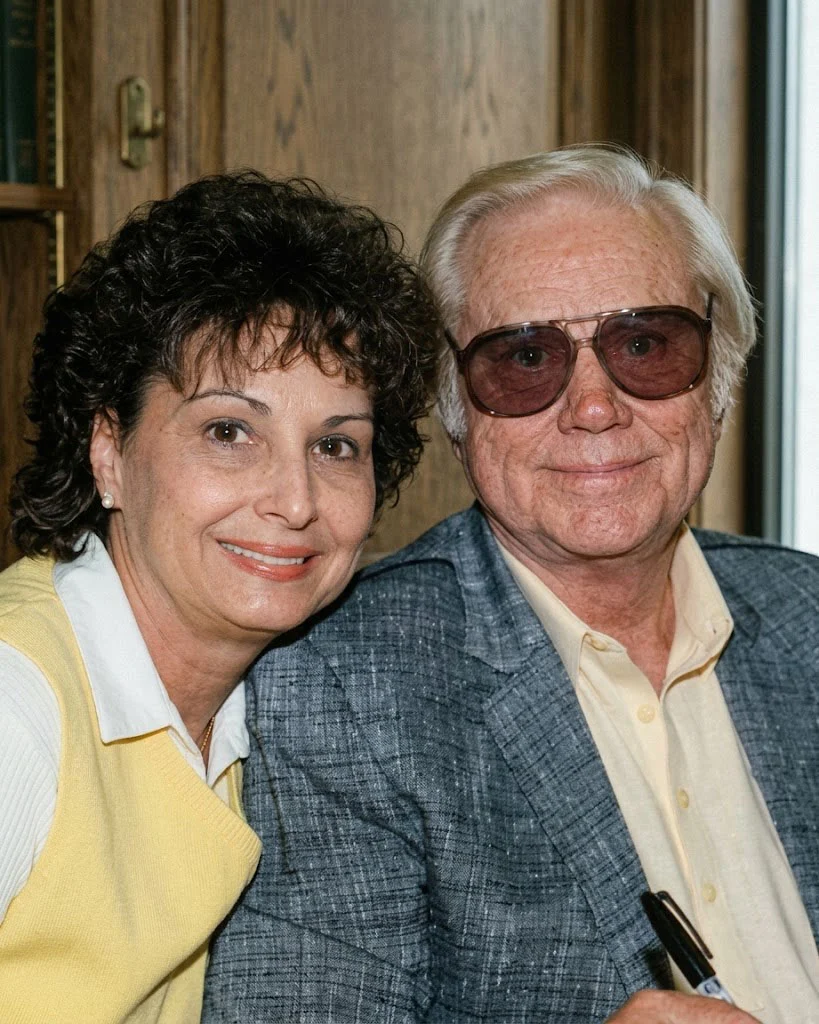
The change came quietly in his later years, not through a dramatic speech but through the steady love of his wife Nancy. She saw the man behind the “No Show” mask. He stopped being a caricature of country music tragedy and began to live as a human being again. He traded stage-fright binges for a sobriety that lasted nearly thirty years. He showed up. He sang. He apologized through his presence rather than his words.
The man who once could not face a crowd became an elder statesman who never wanted to let them down again. George Jones found the peace he had tried to buy at the bottom of a glass. He learned that closing his eyes does not make the world disappear. It waits, patient and unmoving, for the courage to meet it.
His music finally stopped in 2013, but his most important work was the honesty of his final act. He left behind the greatest catalog in the history of the genre, and he proved that even a man who lost everything to his demons could find his way home. The world is still waiting, and eventually we all have to stop walking…