
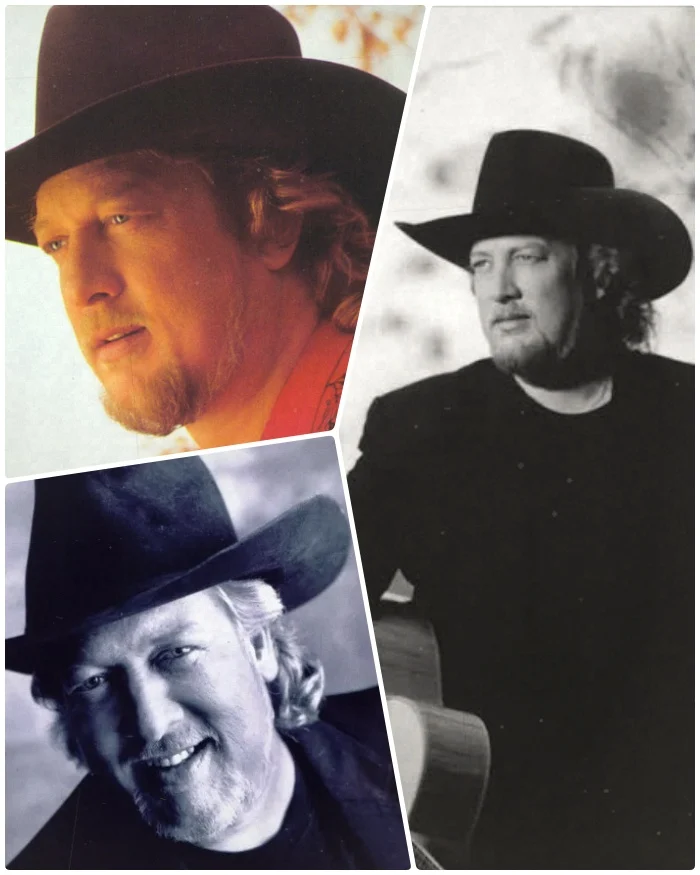
The Nashville studio fell completely still when John Anderson finished singing. The musicians and engineers around him did not applaud or speak at first. They simply sat in quiet respect because they knew they had just captured something far heavier than an ordinary country song.
That recording was ‘Seminole Wind’ and it had been born years earlier on long drives south from Nashville in the late 1980s. Each time Anderson returned to central Florida, the landscape outside his truck window looked less like the place that had raised him.
Born in Orlando in 1954 and raised in nearby Apopka, Anderson had spent his boyhood in the 1950s and 1960s fishing quiet creeks, hunting through dense palmetto woods and wandering the natural marshes of central Florida. By the end of the 1980s, many of those beloved cypress swamps and waterways had been drained, cleared by bulldozers and paved over for highways and sprawling housing subdivisions.
Watching that wild world disappear while his own recording career was struggling pushed Anderson to pick up his guitar and write the song entirely by himself. He did not reach for a familiar story about heartbreak or a Saturday night in a tavern. Instead he crafted an environmental and historical ballad that tied the modern destruction of the Everglades to an older fight for survival in the same wetlands.
In his verses, Anderson pointed to the draining of the Kissimmee River and the loss of wild habitats. He linked that damage directly to the nineteenth century struggle of the Seminole people who had sought refuge deep inside those swamps. To honor that history by name, he celebrated the warrior and medicine leader Billy Bowlegs, known to his people as Holata Micco, who fought through the Second and Third Seminole Wars to defend his homeland in the Big Cypress Swamp before he was forced west in 1858.
After signing with BNA Entertainment in 1991, Anderson entered a Nashville studio with producer James Stroud and made the song the title track of his 1992 comeback album. The sound they built stood apart from the upbeat honky tonk songs ruling country radio at the time. It opened with the lonely rush of wind, then settled into a slow and steady drumbeat, weeping steel guitar, dramatic electric guitar fills and a minor key fiddle line played by Joe Spivey.
Released in August 1992 as the third single from the album, following the chart topping smash ‘Straight Tequila Night’ and the Top 5 hit ‘When It Comes to You’, the song reached far beyond Florida. Despite its unusual subject and atmospheric production, it climbed to number two on the Billboard Hot Country Singles and Tracks chart in the autumn of 1992.
That momentum helped push the Seminole Wind album past two million copies sold and earned double platinum certification, restoring Anderson as a major force on 1990s country radio. In 1993, the Country Music Association nominated the record for Single of the Year and its visual companion for Music Video of the Year.
For the video, director Jim Shea took Anderson and his band back into the Florida swamps and onto the Big Cypress Seminole Indian Reservation. The crew filmed on wooden docks in the early morning mist and stood ankle deep in dark marsh water. They worked alongside members of the Seminole Tribe in traditional patchwork clothing, weaving historical scenes of nineteenth century tribal resilience together with aerial views of the threatened Everglades.
Among all the awards and platinum plaques, the response that mattered most to Anderson came from the Seminole community itself. Tribal elders and families thanked him personally for sharing the history of their ancestors and their reverence for the land with a national audience with dignity and respect. That gratitude grew into a lasting friendship and Anderson later returned to perform on reservation grounds in the years that followed.
His three minute song made sure the memory of the land and the people who defended it could never be paved over.
In the decades since its release, the song has found a second life among conservationists, hunters, anglers and environmental groups working to restore the natural flow of the Everglades. Artists ranging from James Taylor to Luke Combs later recorded or performed tributes to the track, securing its place in the American songbook long before Anderson was inducted into the Country Music Hall of Fame in 2024.
Bulldozers and highways changed the Florida backwoods Anderson knew as a boy, but his music preserved both the place and the people who had fought to keep it wild.