
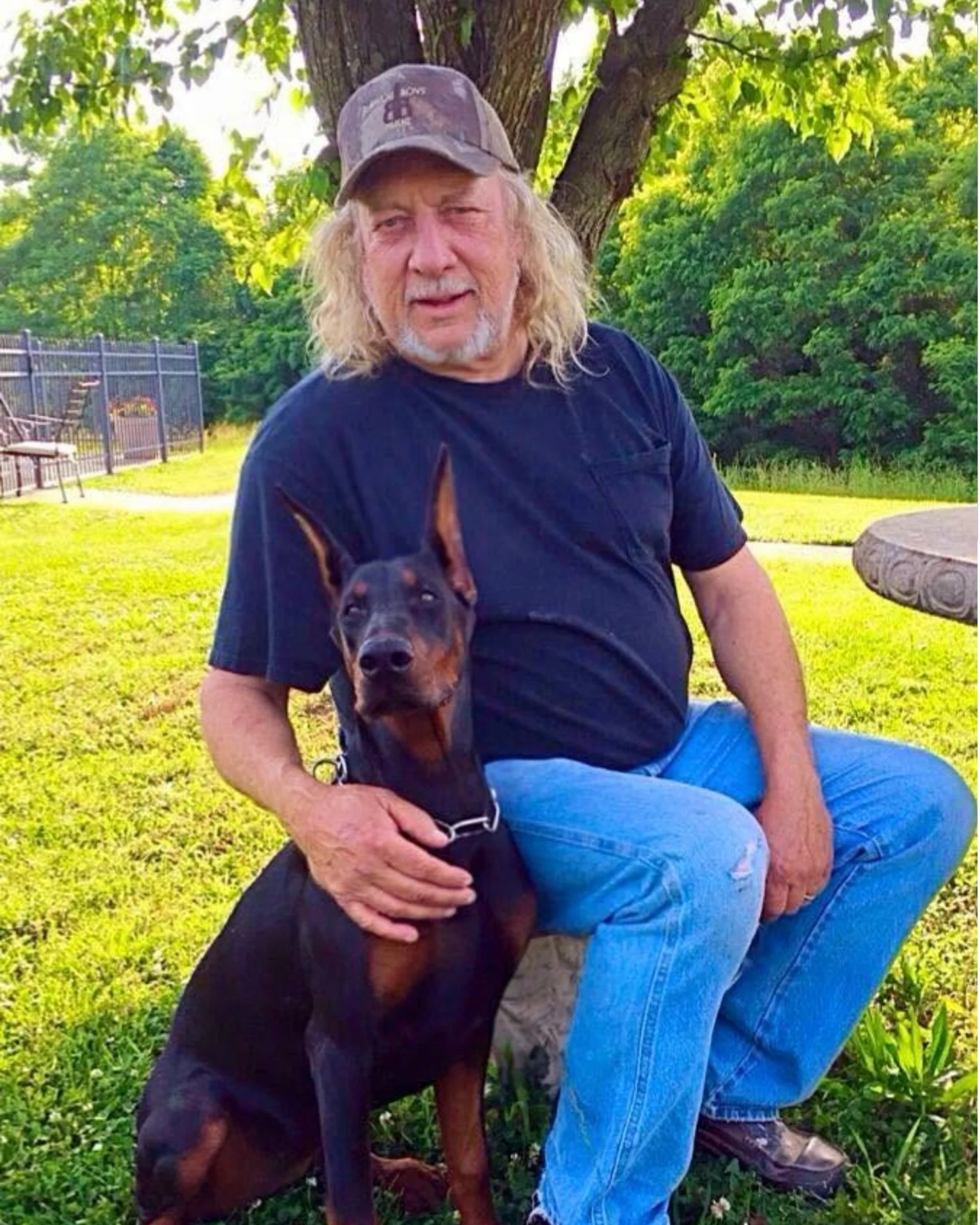
On June 12, 2011, a van rolled into the Big Cypress Reservation without a booking, without advance publicity and without any commercial reason to be there. Inside were John Anderson, his guitar and fiddler Joe Spivey. Anderson had learned that his longtime friend Jim Billie had returned as chairman of the Seminole Tribe of Florida, and he had driven from Nashville simply to congratulate him in person.
The quiet arrival soon became an impromptu concert at the Swamp Water Café. Raiford Starke put together a small sound system in the back of the room while word spread through the reservation by mouth. Tribal leaders, families and neighbors who heard in time gathered for a stripped down performance built on voice, guitar and fiddle.
A song written while watching Florida disappear had brought Anderson back to country radio and nearly twenty years later it gave him a road back to Big Cypress
That road had begun in the early 1990s during a painful family journey. Anderson was driving through Florida to visit his gravely ill grandmother, who was in her mid nineties, while relatives gathered around her. Beyond the car window, the state he had known as a boy was pulling him backward because so much of it had already changed. Central Florida had filled with subdivisions, highways and visitors. Wet country had been drained. Land that once seemed too wild to be altered now carried gates, pavement and prices.
Looking across that unfamiliar landscape, Anderson began carrying home the first pieces of Seminole Wind. His own career felt almost as unsettled as the country passing outside. The run that produced Swingin and Wild and Blue and Black Sheep had faded. His relationship with Capitol Records was over, and he had been warned that another label might never take him. Nashville was moving toward younger faces and cleaner sounds.
It was hardly an obvious moment to write an environmental song rooted in Florida history, yet Anderson kept working. He wrote about men cutting into the earth for wealth, about the draining of the Everglades and about a wind carrying the memory of the Seminole people across wounded land. He later admitted the subject had not struck him as commercial. With no secure record deal shaping the writing, he returned to the song for a simpler reason. He wanted to get it right.
A Song That Restored More Than A Career
When Anderson recorded a new album for BNA with producer James Stroud, Seminole Wind became the title track and reached No. 2 on the country chart. The album restored a career Nashville had nearly finished counting out, returning him to major touring strength and placing him again among the leading voices in country music. Later honors included induction into the Nashville Songwriters Hall of Fame and the Country Music Hall of Fame, recognition for an artist who had survived more than one change in musical fashion without abandoning his own sound.
For the music video, Anderson returned to southern Florida. Jim Billie helped open the way for filming in the Everglades. Seminole medicine man Bobby Henry participated, and Tribal dancers appeared around the fire while airboats carried the crew through country that could never have been convincingly rebuilt on a Nashville soundstage. Water, cypress, fire and human movement surrounded Anderson as he sang, making the landscape far more than scenery and giving national audiences a living visual setting for words about drainage and disappearance.
The success deepened his ties with people in the Seminole community. He performed later for Tribal audiences and maintained real friendships there. What began as part of a record campaign did not remain a transaction, and audiences heard the song as more than another hit. Floridians embraced it as a lament for a changing landscape, while Seminole listeners found their name and history carried inside a national country record even as the environmental changes in the lyric continued long after the charts moved on.
The Night At The Swamp Water Café
During the 2011 visit, Anderson thanked the Seminole community for what its people had done for him and for his music. He played for seventy five minutes, performing famous songs in a room quiet enough for the spare arrangement to carry every note. Afterward, he and Spivey stayed late while photographs were taken and listeners lined up to speak with them. They also traded musical ideas with Kowoko Billie, the son of Jim Billie, who played ukulele.
No chart position depended on that exchange. No label campaign had sent the van south and no tour date explained its arrival. Anderson had once written about a wind calling across Florida like a long lost friend. By 2011, those friendships were no longer only images inside a song. They had names, families and a small café where old friends could be waiting when a van from Nashville appeared without warning.
Scroll down to the end of the article to listen to the music