
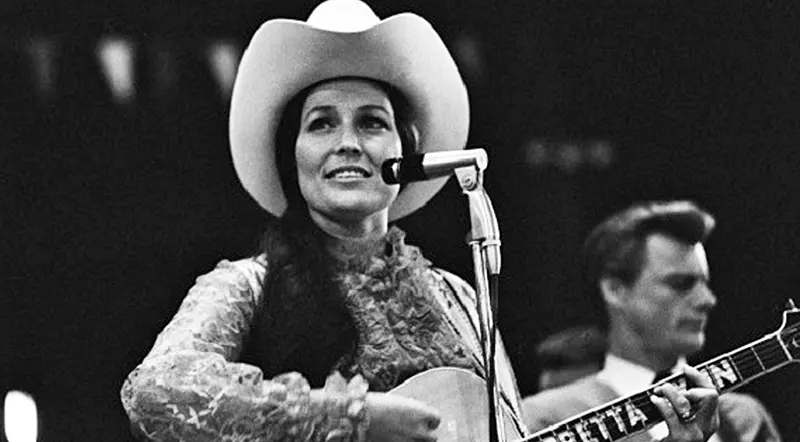
When Loretta Lynn sang about a man coming home drunk and expecting love, country music heard a woman refusing to make herself small.
Her 1967 hit Don’t Come Home A-Drinkin’ (With Lovin’ on Your Mind) became a defining moment in her career, a raw answer to betrayal and a declaration of self-worth.
The song reached the top of the country charts and carried Lynn’s voice into homes where love and disappointment often shared the same table.
It also helped build a career that later earned Grammy recognition.
Don’t come home a drinkin’ with lovin’ on your mind
That line landed like a door closing, not with rage alone, but with a woman choosing dignity over endless excuses.
Lynn’s storytelling gave the song its power, because she did not present herself as helpless, she presented a wife who had learned her own value and could no longer trade it for a drunken promise.
Years later, the song remains a cultural landmark, remembered for its honesty, its strength, and its lasting message that love cannot be forced on someone who refuses respect.