
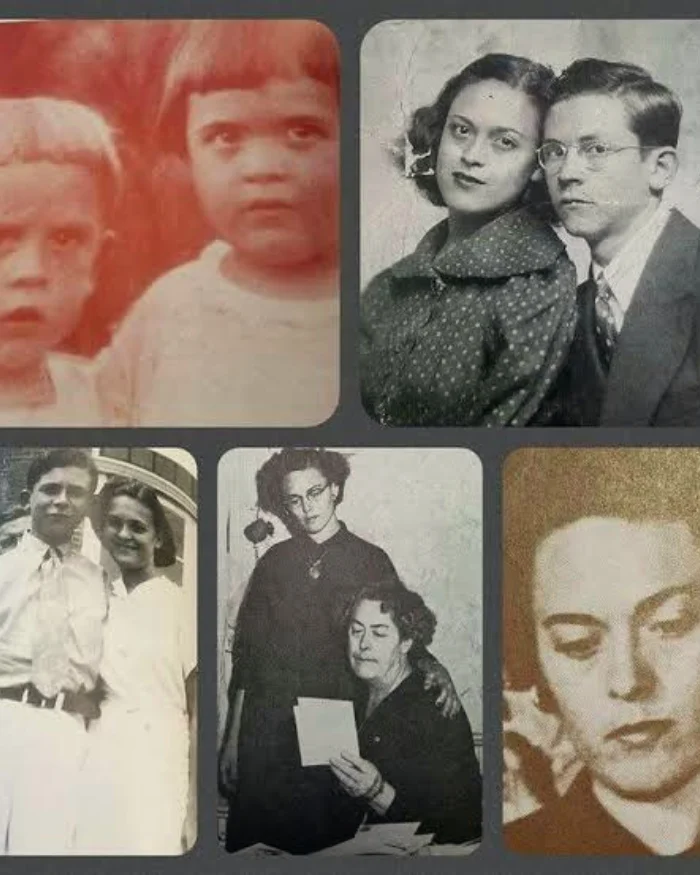
In the twilight of her life, Irene Williams Smith, the older sister of country music’s most legendary figure, lived in a modest house in Oak Cliff, Texas—far from the glittering empire her brother’s songs built. While the world bowed to the myth of Hank Williams, the woman who once shielded him from the brutal streets of Alabama was left to fade into obscurity.
Decades earlier, in the 1930s, the Williams family was drowning in poverty in southern Alabama. When their father, a World War I veteran named Lon, was hospitalized after a brain aneurysm, the burden of survival fell on the shoulders of his children. Young Hank, crippled by spina bifida occulta, was forced onto the streets of Georgiana to shine shoes and sell peanuts. Every bend over a stranger’s boots was agony.
But Irene walked beside him, absorbing the weight of his pain. Together, they sold peanuts, delivered newspapers, and shined shoes. In the harsh, adult world of the Depression era, Irene became his fierce guardian, protecting him while he absorbed the raw blues from local musicians—an education that would later shape his legendary songwriting.
When Hank skyrocketed to fame in the late 1940s, Irene briefly worked as a booking agent and ticket-taker for his Drifting Cowboys band. But his reign was tragically cut short when he died on New Year’s Day in 1953 at just 29 years old.
His death ignited one of the most bitter probate battles in entertainment history, with competing claims from his mother, ex-wife, second wife, and children—leaving Irene entirely sidelined.
As the legal war stretched across generations, the woman who had carried the shoeshine box and protected the architect of the fortune was forgotten. She settled in Dallas, watching from a distance as her brother was immortalized as a deity while her own role in his survival was erased from public memory.
But in her final years, a quiet savior appeared. Country artist and historian Marty Stuart began making regular trips to her Oak Cliff home. He didn’t come for memorabilia or to exploit her name. He came to sit with her, to share conversation, and to offer genuine companionship.
During those visits, Irene entrusted Stuart with a rare collection of Hank’s personal artifacts—on the strict condition that they be preserved with dignity and displayed as sacred Americana, not sold for profit. Stuart honored her wish, ensuring the items were later housed at the Country Music Hall of Fame.
For Irene, Stuart’s presence became a lifeline. It gave her a sense of respect and recognition that the industry had never offered during the bitter estate conflicts.
The immense wealth from Hank Williams’ catalog never reached her door. But long after the lawsuits ended, the simple kindness of a fellow musician ensured she was not erased from the story.
In the end, the woman who had spent her childhood guarding a frail boy on the dusty corners of Alabama closed her life with the quiet dignity she had earned on that pavement—anchored by the comfort of being remembered.