
Just two months after a near-fatal car crash shattered her ribcage, Patsy Cline limped into a Nashville studio on crutches and delivered one of the most hauntingly beautiful vocals in country music history.
The year was 1961. Patsy Cline was at the summit of her early career, her voice climbing the charts and her star power expanding far beyond the borders of country radio. But on a June night in Madison, Tennessee, a head-on collision sent her flying through a windshield—leaving her with a dislocated hip, a deep gash across her forehead, and a ribcage so shattered that every breath was a battle.
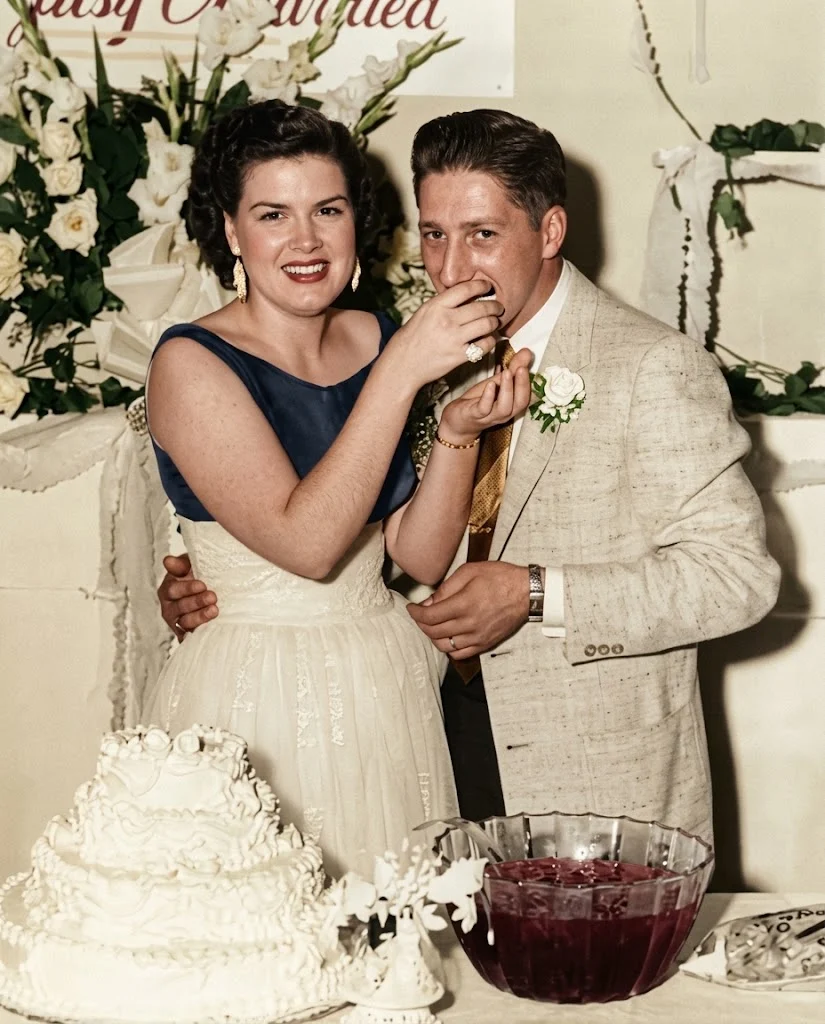
As she lay in a hospital bed, doctors whispered doubts. The stage lights seemed like a distant memory. Yet, in the darkest hour, her husband Charlie Dick made a decision that would change music history. Their marriage was a storm of fiery arguments and passionate reconciliations, but when he saw her broken and fragile, he dropped everything. He lived at the hospital, refusing to leave her side, becoming the anchor she needed when her world was crumbling.
Months later, Charlie brought home a demo from an unknown songwriter named Willie Nelson. The song was “Crazy.” At first, Patsy disliked it—Nelson’s quirky, behind-the-beat delivery didn’t resonate with her. But her producer, the legendary Owen Bradley, envisioned a lush, sweeping arrangement. Reluctantly, she agreed to try.
Two months after the wreck, Patsy couldn’t wait any longer. She returned to the famous Quonset Hut studio, still bandaged, still weak, supported by crutches. The first session was a brutal test. Her signature soaring vocals demanded deep diaphragmatic breathing—a motion that pressed agonizingly against her unhealed ribs. She couldn’t hold the notes. The pain was too raw)Skip. The session was halted.
Instead of forcing it, Bradley and Charlie gave her time to heal. The elite session musicians—the A-Team—recorded the instrumental track without her, waiting for the moment she’d be ready.
In September, she walked back in, stronger, with Charlie still standing quietly by her side. She stepped to the microphone, faced the pre-recorded music, and began to sing. Despite the lingering ache, she delivered the vocal in a single, flawless take. The result was a record so smooth, so effortlessly beautiful, that no one could imagine the agony behind it.
“Crazy” became a career-defining hit, a cornerstone of American music. To the world, Patsy was a polished, unstoppable superstar. She hid the forehead scar with wigs and bangs, keeping her pain invisible from the fans who adored her.
The song remains a masterpiece of control, phrasing, and emotional depth. But its true legacy isn’t just in the sound—it’s in the grit of a woman who refused to be silenced, a husband who held the line when everything collapsed, and a voice that rose from shattered bones to become immortal.