
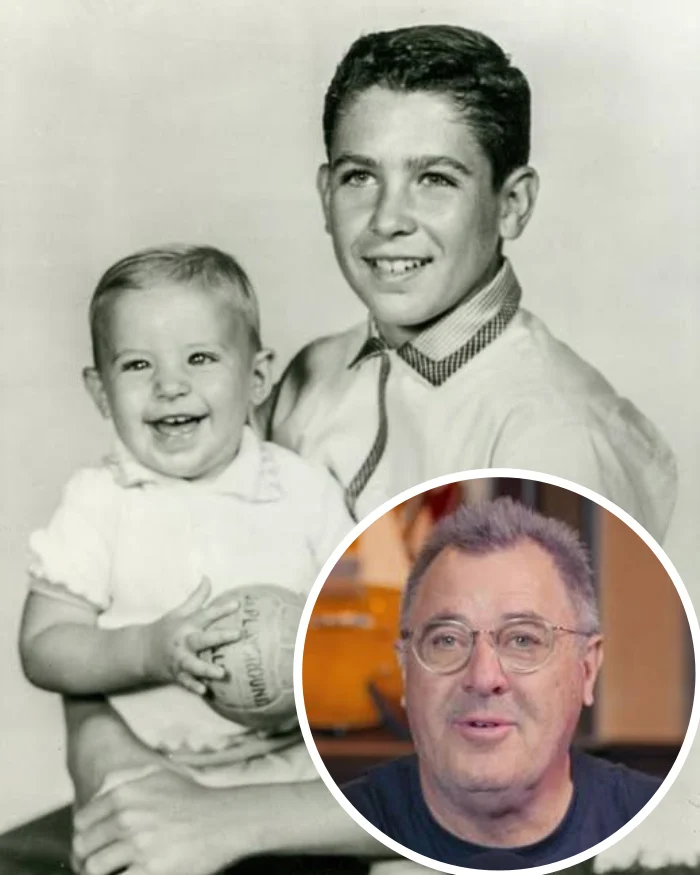
The song Vince Gill almost left unfinished became one of the most trusted farewells in American music.
It began in 1989 with grief for country singer Keith Whitley. Gill wrote a first verse and a chorus, then set the fragment aside. The melody stayed silent while his fame grew.
The missing heart of the song arrived in 1993 with the death of his older maternal half-brother Bob Coen.
Coen was 21 when a catastrophic car crash in 1968 left him in a coma and caused a permanent traumatic brain injury. For a quarter century, his personality and daily life were reshaped by pain and confusion. The family reached for him again and again, yet he drifted beyond their help and eventually lived in a homeless shelter. A fatal heart attack ended his struggle in 1993.
Gill returned to the old draft and wrote the final verses. The tribute to Whitley became a eulogy for Bob. It turned a long, lonely decline into a prayer for rest.
When Gill prepared the finished track for his 1994 album When Love Finds You, producer Tony Brown guided the session. Gill asked close friends Ricky Skaggs and Patty Loveless to sing harmony. Their bluegrass roots and knowledge of Appalachian mourning music gave the song a plain, sacred shape.
Inside the studio, the recording became a test of endurance. Gill tried to sing a musical farewell for a brother he had just lost. His voice broke again and again. The team did not demand a flawless take. Skaggs and Loveless carried the melody when Gill could not.
Loveless remembered how heavy the room felt, and how she and Skaggs held their own tears back so Gill could finish.
Loveless lifted the high tenor, and Skaggs wrapped his signature harmonies around Gill’s acoustic guitar. The finished mix kept the audible breaks and the reverent air of that day. It sounded less like a polished radio hit and more like a hymn sung inside a small wooden church.
Released as a single in August 1995, the song moved far beyond Gill’s circle. It won two Grammy Awards and took CMA Song of the Year in 1996. Families now sing it at memorials across the country when they need words for unbearable loss.
Gill could not save Bob Coen from the damage of 1968 or bring him home from the shelter. He could give him a final gift. A private grief became a public comfort, and a quiet family wound became dignity carried by melody.