
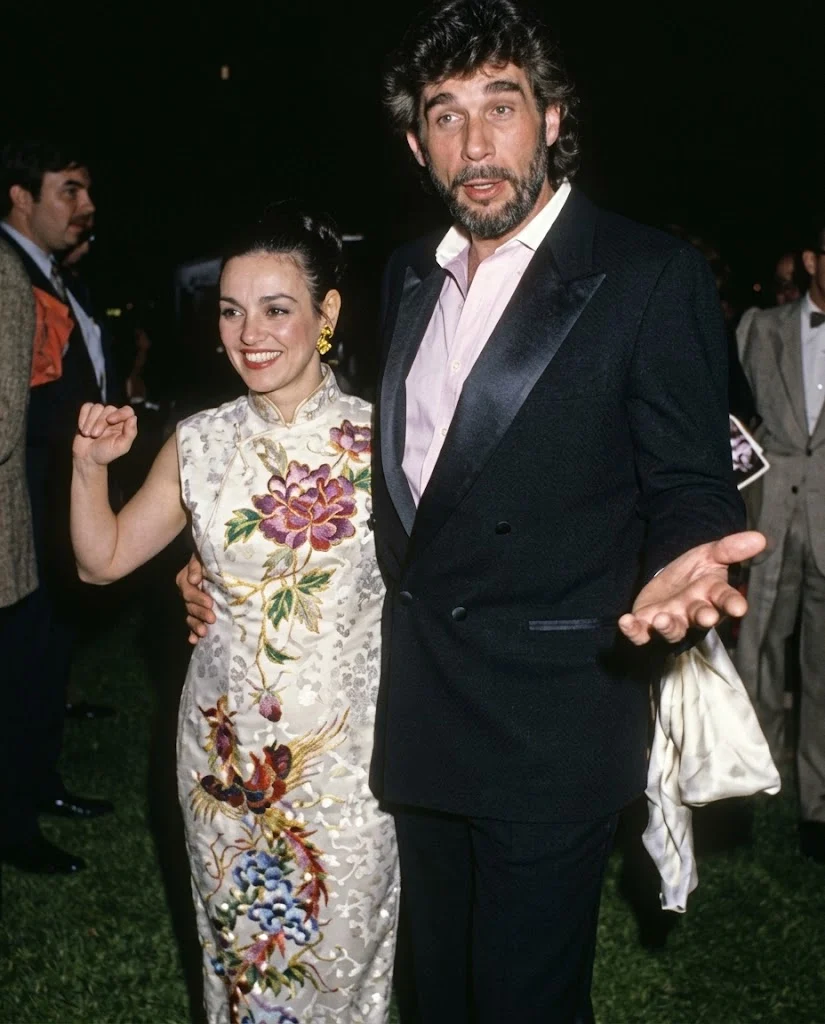
The hospital corridor was silent except for the hum of machines and the soft strum of an acoustic guitar. Eddie Rabbitt, a country music star who once filled arenas, sat on a small plastic chair in the pediatric ward, playing lullabies for children fighting for their next breath. This was not a performance. It was his new life after losing his own son.
In July 1985, Rabbitt’s 23-month-old boy Timmy died following a liver transplant at the University of Minnesota Hospital. The child had undergone four complex surgeries battling biliary atresia, a rare liver disorder. For nearly two years, the singer had slashed his tour schedule, passed on lucrative contracts, and traded stadium lights for hospital corridors. His wife Janine Girardi stayed by his side through sleepless nights on folding chairs.
Instead of letting the grief consume him, Rabbitt turned his pain into purpose.
No family should have to choose between their child’s life and their livelihood,
he often said during public appeals. In June 1986, he and Janine dedicated a specialized playroom at Vanderbilt Children’s Hospital in Nashville named in Timmy’s memory. Rabbitt carried his guitar into those wards, sitting without fanfare to play for young patients enduring long treatments.
His commitment quickly expanded nationally. He became a consistent presence at St. Jude Children’s Research Hospital in Memphis, attending charity galas, benefit concerts, and telethons throughout the late 1980s and 1990s. At a time when pediatric research faced funding hurdles, Rabbitt used his crossover stardom to bring corporate sponsors and heartland donors directly to the mission. He highlighted St. Jude’s policy of treating children regardless of ability to pay, speaking from his own memories of intensive care waiting rooms.
Beyond Memphis, Rabbitt championed pediatric organ donor awareness and the American Liver Foundation. In the mid-1980s, infant organ transplants were emerging but severely hindered by shortages. He met with lawmakers, recorded public service announcements, and conducted radio interviews to educate the public on donation registries. He transformed the rare medical term biliary atresia into an urgent call for awareness.
Within Nashville’s music industry, he urged fellow artists to lend their voices to pediatric health causes. He participated in charitable golf tournaments and multi-artist acoustic showcases, quietly funneling appearance fees and royalties into children’s medical research funds. When he returned to the top of the country charts in 1988, he maintained strict boundaries around touring, choosing to spend extended stretches at home with Janine, their daughter Demelza, and younger son Tommy.
By the time Rabbitt faced his own terminal cancer diagnosis in the late 1990s, his legacy extended far beyond platinum records. He had spent more than a decade walking back into the very hospital rooms that held his deepest sorrow, making sure other parents and sick children did not have to walk those halls alone.