
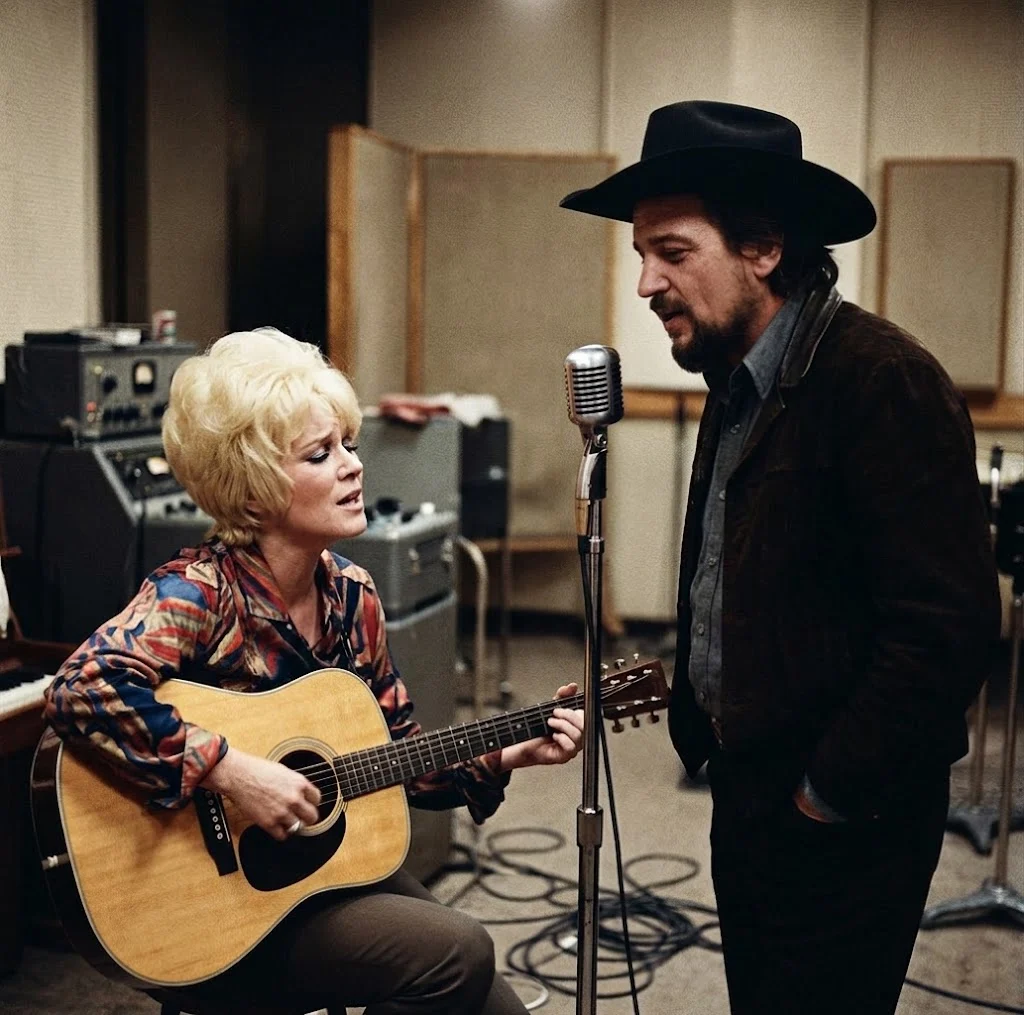
In the blistering summer heat of 1973, a divorced mother of four stepped onto a dusty Texas stage and into the heart of a revolution that wanted nothing to do with her. Sammi Smith didn’t just survive the Outlaw Country movement—she helped build it, one raw, soul-baring note at a time.
While the men of Outlaw Country fought for creative freedom with grit and defiance, Smith fought for survival. She arrived in Nashville not as a starry-eyed teenager, but as a working-class single mother who used her husky contralto to feed her children. When she delivered her Grammy-winning 1970 rendition of Kris Kristofferson’s “Help Me Make It Through the Night,” she stripped away every ounce of studio polish, singing with a blues-soaked honesty that made the song feel like a confession whispered at 3 a.m.
Willie Nelson saw that raw power and invited her to perform at his inaugural Fourth of July Picnic in Dripping Springs, Texas. There, she shared the stage with legends like Waylon Jennings, Tompall Glaser, and John Prine. The festival was a chaotic boys’ club fueled by whiskey and relentless guitar picking, but Smith never retreated. She held her own in the guitar circles, earning respect through sheer talent and unflinching presence.
“She wasn’t just there to provide a soft harmony. She was recognized by the most intimidating men in Nashville as a genuine, blood-and-tears equal.”
That respect carried into the recording studios, particularly at Glaser’s Hillbilly Central in Nashville, where Smith cut raw, unpolished tracks alongside those same legends. Many of those recordings remained vaulted or overshadowed by her pop-crossover success, but they captured a gritty defiance that mainstream country radio couldn’t categorize. In those rooms, she wasn’t a novelty—she was an architect.
During an era when the industry dismissed female artists as “girl singers,” Waylon Jennings shattered that mold. He refused to use the dismissive term and instead declared her his “Girl Hero”—a title she proudly used for her 1979 album on Cyclone Records. It was more than a nickname; it was a recognition of shared scars, of a woman who carried as much grit and defiance as any man in the movement.
Today, Outlaw Country’s history is often told through the faces of its male icons. But the “Girl Hero” title remains a permanent testament to Sammi Smith—the working mother who quietly carried half the weight of that revolution. She didn’t just sing about the hard road. She paved it.