
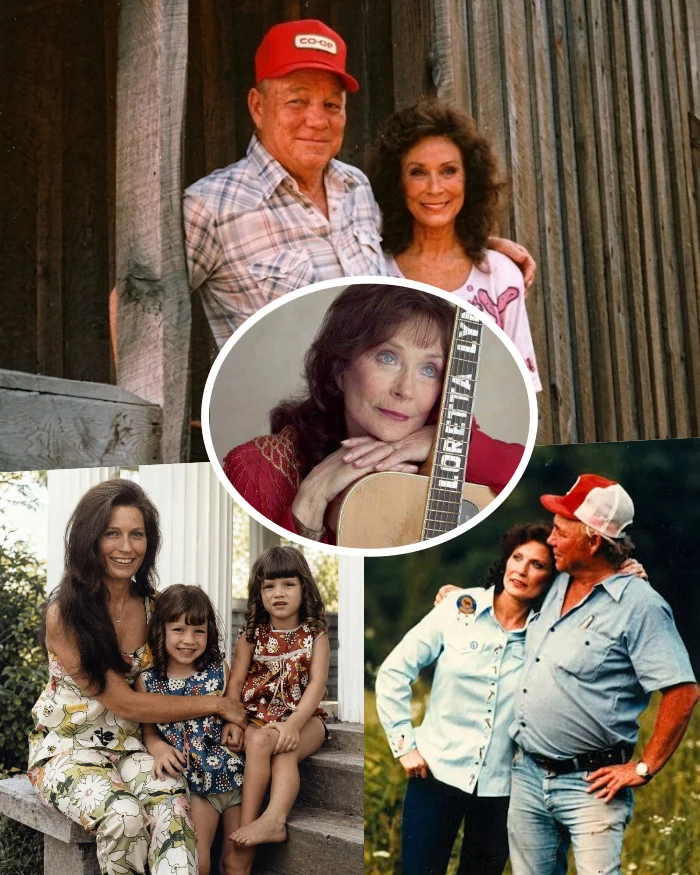
When the tour bus finally rolled through the gates of Hurricane Mills, Loretta Lynn did not come home to an empty house or a neglected estate. She stepped onto ground where cattle grazed, children thrived, and a quiet partner had held the center of their world steady while she carried country music across America.
By the late 1960s, Lynn was one of the most sought-after voices in American country music. Her touring schedule routinely pulled her away for weeks at a time, and tens of thousands of fans packed concert halls from Ohio to California to hear her direct, unvarnished songs about working-class life. Yet while her bus rolled across distant interstates, the physical foundation of her household rested on her husband, Oliver “Doolittle” Lynn.
Their musical journey began in obscurity long before national fame changed their lives. In 1953, while working odd jobs as a logger and mechanic in Whatcom County, Washington, Doolittle spent seventeen dollars on an acoustic guitar from a Sears Roebuck catalog. He brought the instrument home to their drafty rental cabin and urged a shy young mother to learn chords and perform at local grange halls.
He believed in her voice before Nashville ever did.
That early push helped launch a historic career, but the demands of the road soon overtook their domestic routines. In 1966, seeking a permanent haven from the growing pressures of Music City, the couple purchased Hurricane Mills, an expansive antebellum plantation settlement spanning more than a thousand acres in Humphreys County, Tennessee.
Instead of traveling alongside Loretta as a touring manager, Doolittle made the deliberate choice to stay at the ranch. He traded the honky-tonk scene for daily management of Hurricane Mills. The property included a working gristmill, a general store, extensive timber acreage, and hundreds of head of commercial cattle. The former logger took direct command of daily ranching operations, rising before dawn to feed livestock, repair pasture fencing, and oversee heavy field machinery.
His responsibilities reached far beyond agricultural labor. With Loretta performing more than two hundred nights a year on tour buses, Doolittle stepped into the routine duties of raising their young sons and daughters, especially the twin daughters born in 1964. He cooked weekday breakfasts, packed school lunches, and made sure the children kept a steady, normal childhood shielded from the relentless spotlight around their mother’s public career.
To keep the sprawling estate solvent while Loretta chased airplay and tour receipts, Doolittle instituted tight fiscal management. Working from the ranch office, he maintained detailed daily ledgers that tracked cattle sales, timber maintenance expenses, pasture leases, and equipment repair costs. Through quiet domestic agreements, the couple treated the ranch as a self-sustaining agricultural enterprise rather than a celebrity showpiece, so operational overhead never depended solely on the volatility of commercial royalty checks.
Their marriage endured public scrutiny, persistent rumors, and the heavy strain that long separations place on any family. Yet a practical division of labor anchored the Lynn household through her most demanding professional decades. While Loretta poured the raw tensions, loyalties, and complexities of rural marriage into songs that reshaped the genre, Doolittle provided the structural wall that kept the family grounded.
While Loretta sang the truth about working-class marriage, Doolittle kept the home that made those songs possible.
Whenever the touring coach navigated the winding entrance roads and rolled back through the front gates, Loretta did not return to an empty house or an unmanaged estate. She stepped off the bus onto fertile ground where cattle grazed, children flourished, and an enduring partnership had held the center firm against every pressure of stardom.
Loretta Lynn’s music gave voice to generations of working families who saw their own lives reflected in her uncompromising honesty. The early tour routing, the daily ranch ledgers Doolittle kept, and the private agreements that preserved their home during those grueling touring years reveal how much quiet effort went into sustaining that historic path. Behind the historic catalog and the roaring auditoriums stood an unvarnished home in Tennessee, built by a mother who sang the truth and a husband who quietly kept the hearth burning.