
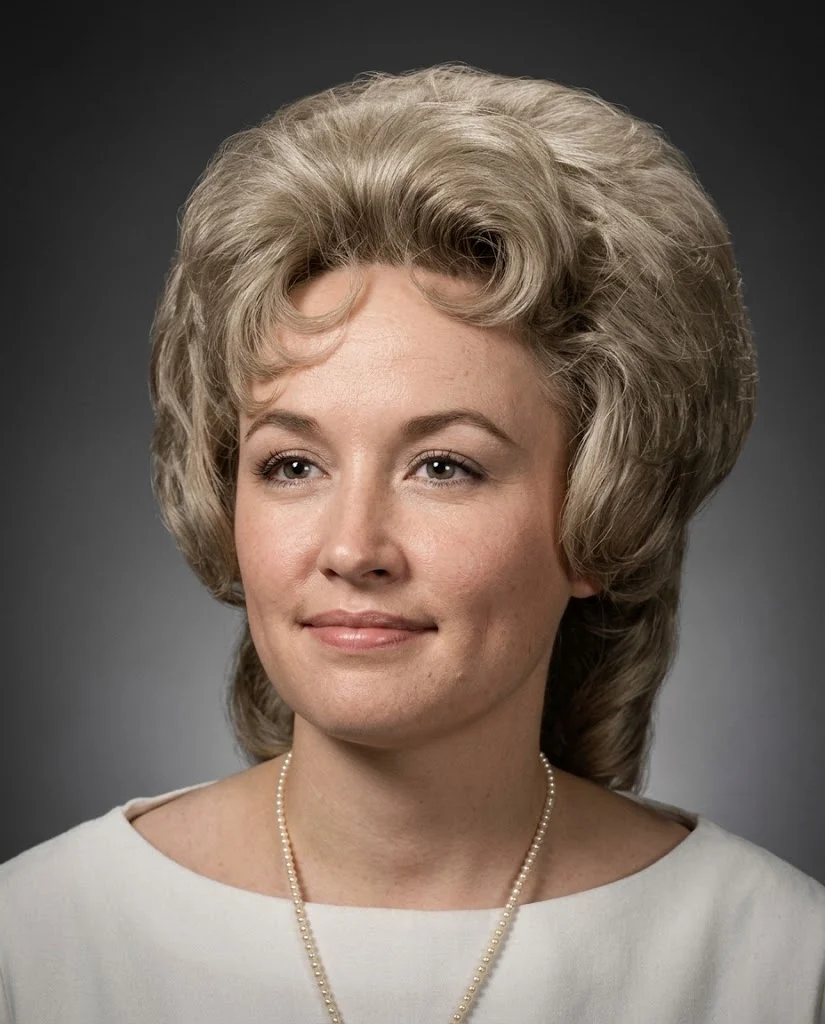
In 1964, an eighteen-year-old girl arrived in Nashville carrying nothing but a few paper grocery bags and a dream. Dolly Parton had left the poverty of Locust Ridge behind, stepping off the bus with all her belongings jammed into those thin sacks. The journey that began with such limited resources would eventually reshape the entire music industry.
Parton’s first stop in Music City wasn’t a recording studio or a label office. It was the Wishy Washy Laundromat on 16th Avenue South, where she met Carl Dean while he was paving asphalt outside. That encounter grew into a marriage that has lasted more than half a century, quietly supporting her while she built her public career.
The path to success wasn’t paved with instant recognition. She faced rejection after rejection from publishing houses, surviving on hot dogs and mustard while pitching her songs. Her uncle, Bill Owens, had believed in her talent from the beginning)Skip. He let her stay with him and helped her navigate the industry. Eventually, her persistence paid off when she signed with Combine Music, earning steady income by writing chart-topping songs for other artists.
Parton’s business savvy extended far beyond her songwriting. She insisted on retaining her publishing rights, even turning down Elvis Presley’s request to record “I Will Always Love You” because she refused to give up ownership. Her 1971 song “Coat of Many Colors” told the story of her childhood, bringing her unique perspective to the world. She left Wagoner’s organization in 1974 to pursue a solo career, and her 1977 hit “Here You Come Again” made her a crossover sensation.
Today, Parton’s influence extends beyond music. She has sold over one hundred million records and built an entertainment empire that includes Dollywood theme park and the Imagination Library foundation, which has given away more than two hundred million books to children. She never forgot her roots in the Great Smoky Mountains, and she carried that heritage with pride into every aspect of her career.