
Sometimes the most profound artistic breakthroughs happen not from perfection, but from leaving things wonderfully undone.
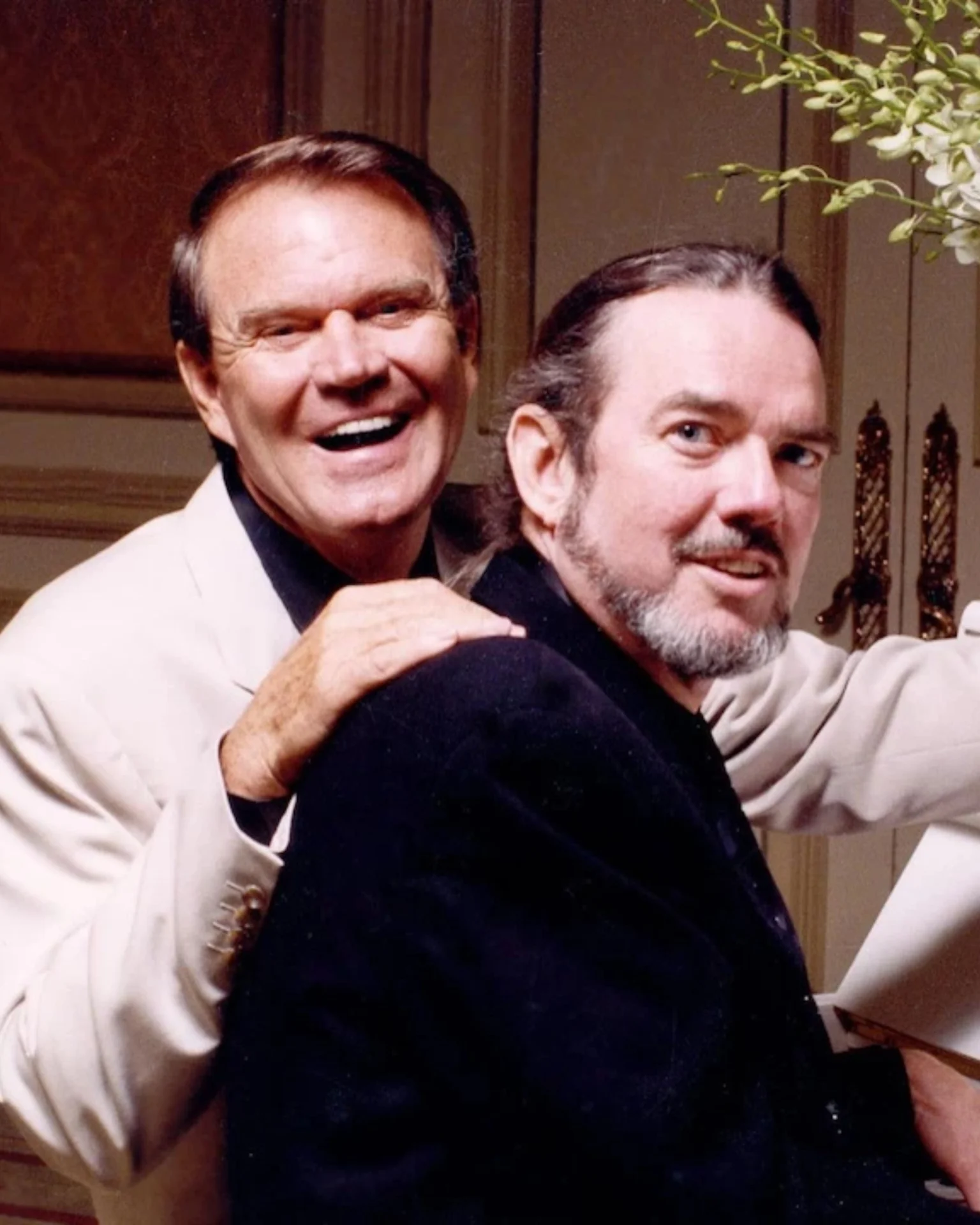
High in the Hollywood Hills, songwriter Jimmy Webb sat at a green piano when a sudden phone call from Glen Campbell sparked a timeless piece of music history. Campbell and producer Al De Lory desperately needed another hit after their massive success with By the Time I Get to Phoenix, casually asking Webb if he could write another tune featuring a geographical location in the title.
Flashing back to a solitary memory of driving across the vast Oklahoma plains and noticing a lonely worker maintaining telephone wires high above the empty road, Webb quickly sketched out the core concept. Yet, hours later, he handed over a song missing its entire third verse, fully expecting to finish it later.
What Webb considered unfinished suddenly had room to breathe, proving that silence can speak louder than lyrics.
Instead of waiting for a rewrite, Campbell and his session players turned the blank spaces into brilliance. Bassist Carol Kaye contributed the iconic descending six-note opening hook, and Campbell filled the empty third verse with a haunting, tremolo-heavy instrumental passage played on a Danelectro six-string bass. Layered with shimmering electronic tones from Webb’s vintage Gulbransen keyboard that mirrored signals humming through telephone wires, the sparse composition became an absolute masterpiece.
Weeks later, a surprised Webb discovered the track had already been recorded and released without his final touches. Hitting number one in 1968, Wichita Lineman proved that when brilliant creators know when to stop adding, magic happens in the empty spaces.
Scroll down to the end of the article to listen to music.