
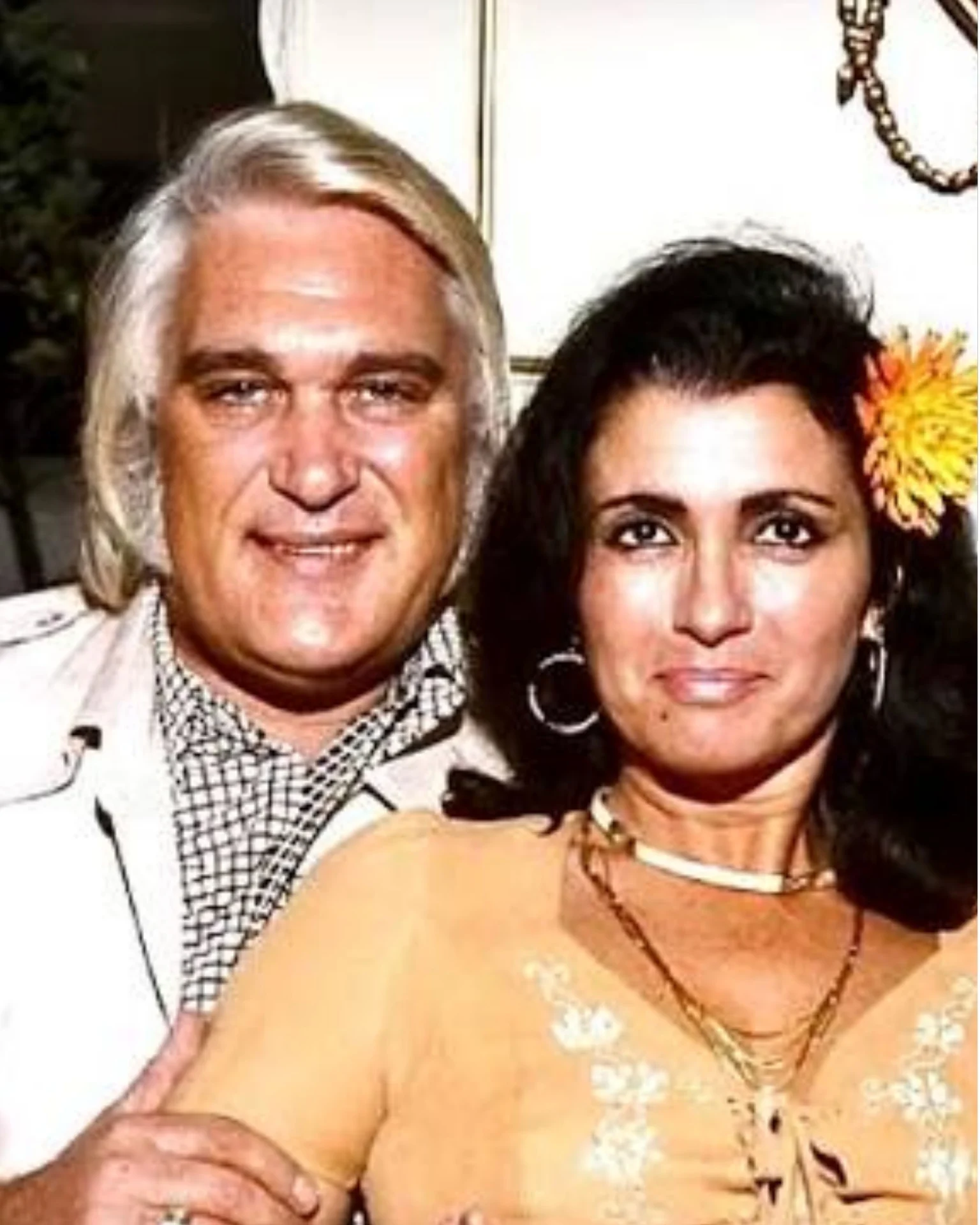
In 1955, Margaret Ann Rich made a decision that would change music history. She carried a tape of her husband’s home recordings to Sun Records without telling him. Charlie Rich was farming five hundred acres near West Memphis, playing piano in clubs at night, and supporting a growing family with no steady income. His wife knew that talent preserved on tape couldn’t feed their children unless someone had the courage to walk through the right doors.
Charlie’s music defied easy categorization, blending jazz, gospel, blues, and country. Sam Phillips’ label was producing raw rockabilly records that were transforming Memphis, but Charlie probably wouldn’t have chosen Sun on his own. Margaret Ann went anyway.
Producer Bill Justis listened politely, then handed her a Jerry Lee Lewis record with a cutting remark: tell Charlie to come back when he could play that badly. The insult didn’t send them away for long. Charlie studied what Sun wanted, returned to the studio, and entered the same musical world as Lewis, Johnny Cash, and Carl Perkins.
But Margaret Ann was never just the wife who delivered the first tape. She had sung beside Charlie in their Air Force band, the Velvetones. She wrote with him during the lean farming years, raised their four children through long periods when his records stopped selling, and supplied songs that reached places in him that Nashville professionals often missed.
“Life’s Little Ups and Downs” was her finest work—a domestic song drawn from the compromises of their own marriage: a small house, unpaid bills, and a wife surrendering what she wants without turning sacrifice into complaint.
Charlie recorded it without the polish that later made him the Silver Fox. He sang it as a man who recognized the rooms inside the lyric.
When “Behind Closed Doors” and “The Most Beautiful Girl” finally made Charlie a crossover star in 1973, fame arrived after nearly two decades of starts, failures, and label changes. Margaret Ann managed the family publishing company and watched Nashville place her husband inside a smoother image than the restless musician she knew.
Charlie died in 1995 while the couple were traveling through Louisiana toward Florida, shortly after watching their son Allan perform. They had been married forty-three years. Margaret Ann later said Charlie’s final album, Pictures and Paintings, came closest to revealing the whole musician—jazz, blues, country, and gospel occupying the same room.
Long after Nashville settled on one marketable version of him, she was still listening for the man who had never fit inside it. Margaret Ann Rich preserved not just a career, but the complete soul of an artist the world only partially understood.