
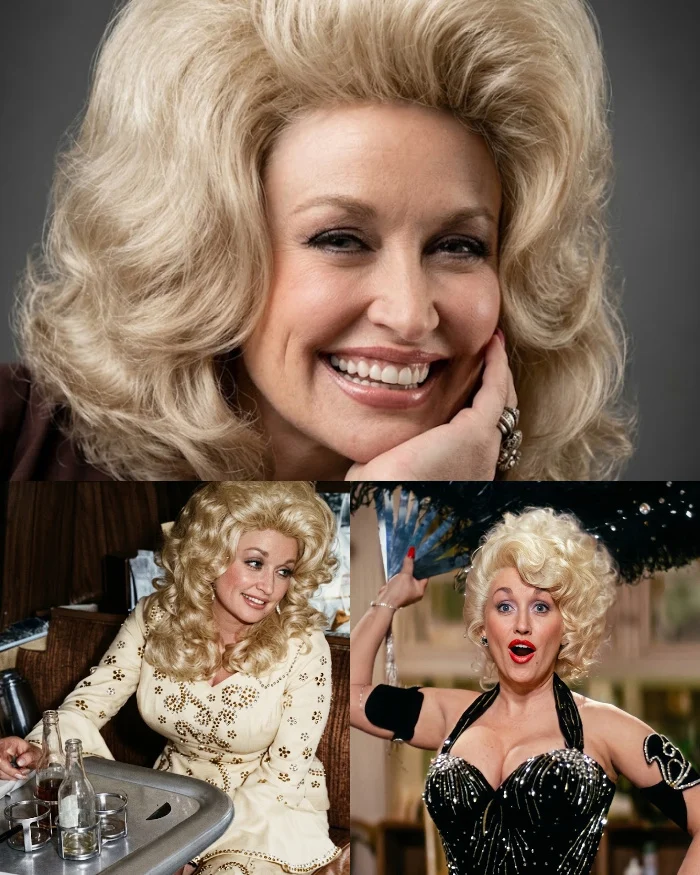
She cried all night over the opportunity she was about to lose, then she walked away with her copyright intact. In 1974, Elvis Presley wanted to record I Will Always Love You, but his manager Colonel Tom Parker demanded half the publishing rights, and Dolly Parton refused to surrender them.
Rejecting that standard demand was a massive gamble for a country artist just beginning to break out as a solo star. Parton had recognized early that songwriting copyrights were the real currency of the music business. She knew the song was her legacy and that it was meant to support her family long after she was gone, so she would not give up half of its future earning power to secure one high profile recording.
That painful and calculated refusal set the boundary for her entire career. By keeping absolute control over the composition, she protected what became one of the most valuable assets in modern music. When Whitney Houston recorded the track for The Bodyguard soundtrack in 1992, Parton’s unencumbered ownership of the publishing rights generated an estimated ten million dollars in royalties and fully vindicated the tears she shed in the 1970s.
She never needed a political slogan to prove her strength. She simply kept the rights to her own songs.
Her aggressive defense of her intellectual property became the foundation of a quietly revolutionary executive career. The industry and the public often underestimated the woman behind the heavy makeup, towering wigs, and self described cheap aesthetic, yet Parton was actively building a diversified business empire. She realized the best way to avoid the pervasive workplace sexism of the era was to become the person signing the checks.
Instead of simply fighting for a better seat at a male dominated table, she established her own production company. Parton partnered with her former manager Sandy Gallin to launch Sandollar Productions in 1986. The venture became a quiet but formidable force in Hollywood, producing major studio films such as Father of the Bride and eventually developing the massive television franchise Buffy the Vampire Slayer.
Parton operated as a silent producer on the television series and wielded significant industry influence without demanding her name on the marquee. She used her production weight to ensure the female led supernatural drama made it to the screen, sent the cast personal gifts, and kept track of the development of the show while allowing the creators to take the public credit.
During that same year, she directed her financial leverage back to her roots in the Smoky Mountains. Parton purchased an interest in a regional theme park in East Tennessee and rebranded it as Dollywood. It was not a vanity licensing deal. She built an economic engine that became the largest employer in Sevier County and provided thousands of steady jobs, healthcare benefits, and a permanent tourism anchor for the rural community that raised her.
For over half a century, television interviewers repeatedly tried to corner her into rigid ideological debates. Parton consistently sidestepped the bait and usually deflected invasive questions with a perfectly timed and disarming joke. Her refusal to adopt a specific political label never meant she was passive. She openly advocated for equal pay, demanded safe working environments, and protected her female peers, delivering those boundaries with a warmth that bypassed strict partisan lines.
Her push for equality was always rooted in direct action rather than public argument. By simply declaring her unconditional support for working women, she achieved the rare feat of uniting traditional rural grandmothers and modern corporate professionals in the exact same audience. When she wanted to address systemic poverty, she bypassed political rhetoric entirely and launched the Imagination Library in 1995.
Originally designed to mail one free and high quality book a month to preschoolers in her hometown, the literacy initiative eventually expanded across five countries. The foundation has now gifted more than 300 million books directly to the homes of children regardless of family income. It stands as the most tangible proof of her executive philosophy, changing millions of lives through consistent and quiet opportunity.
Parton used the exaggerated glamour that critics routinely dismissed to completely disarm the corporate executives who sat across from her. She built one of the most powerful and self owned portfolios in entertainment history by refusing to surrender her independence to anyone.