
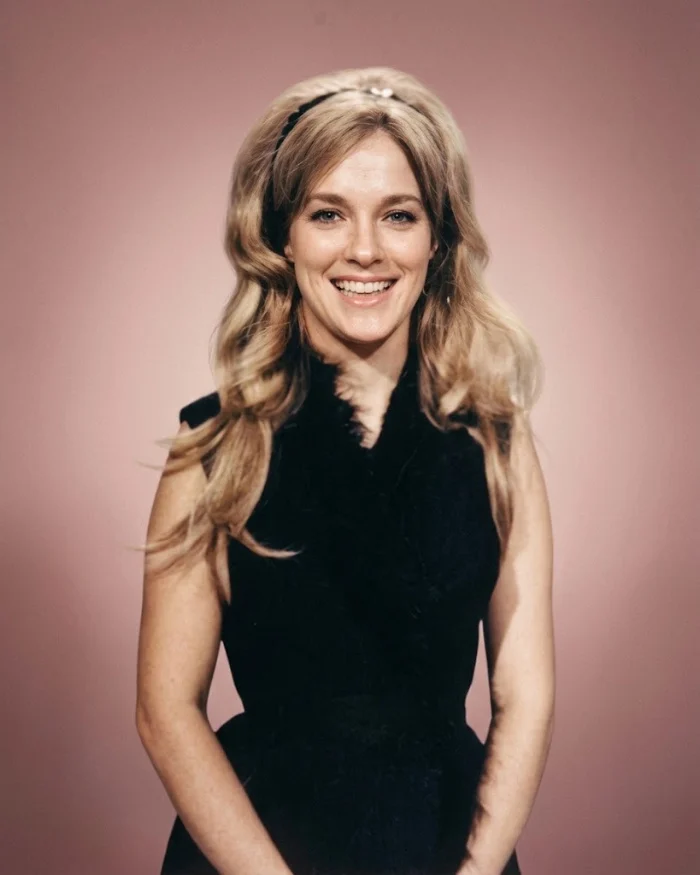
When she sang about heartbreak, she was not acting. In August 1964, twenty three year old Connie Smith stepped up to the microphone inside Nashville RCA Studio B to record her debut single Once a Day, and the staggering emotional depth in that voice had been forged years before she ever saw a recording contract.
Written by Bill Anderson, the track spent eight weeks at number one on the Billboard country chart. The unprecedented debut set a record for female artists that would stand for a half century, and the music industry celebrated a sudden and brilliant new talent.
But before she ever recorded a single note, Smith was fighting just to survive the crushing weight of her own childhood. Between 1957 and 1959, growing up in the late 1950s in the shadow of severe poverty and an abusive father, the future country music legend endured deep psychological trauma that pushed her to the absolute limit of her endurance.
At eighteen years old, the years of silent suffering finally took their toll and triggered a severe nervous breakdown. Overwhelmed by an environment that had offered her no protection, she reached a point of total despair, contemplating ending her own life just to escape the relentless pain.
In that terrifying isolation, when all earthly hope seemed lost, Smith found her lifeline. She anchored herself in a deep Christian faith, discovering a profound sense of grace and safety that her own home had failed to provide. That spiritual conviction pulled her back from the darkest brink, giving her the strength to survive the mental anguish and a foundation to rebuild her shattered spirit and reality.
The young woman who survived that dark valley carried her hard won resilience directly into her legendary career. By August 1963, she had pieced her life back together and was performing at a talent contest at Frontier Ranch near Columbus, Ohio, when Anderson first heard her sing. Stunned by her vocal power, he helped bring her to Nashville. When executives heard her, they immediately recognized a generational talent, because the sorrow audiences heard was completely real and drawn from a well of early suffering she had already endured.
As Once a Day launched her into massive fame, the demands of the 1960s country music touring circuit intensified. While pressure broke many artists with far easier beginnings, Smith navigated the exhausting reality of the road with a quiet and immovable grounding. She refused to let the machinery of stardom separate her from the spiritual anchor that had saved her life.
As she headlined larger venues and commanded bigger audiences, she instituted a strict personal rule for her live shows. No matter the city, the venue, or the secular expectations of the crowd, Smith insisted on singing at least one gospel song during every concert. The industry often encouraged artists to keep faith and commercial country music separate to maximize ticket sales, but for Smith the two could not be divided.
Her public expressions of faith were not a performance choice. They were a daily continuation of her survival.
Over the next several decades, Smith recorded dozens of hit singles, became a permanent fixture at the Grand Ole Opry, and earned her place in the Country Music Hall of Fame. Peers like Dolly Parton frequently cited her as the greatest female vocalist in country music history.
Years later, when Smith stood on the grandest stages in country music, audiences were captivated by the raw and undeniable sorrow in her voice. Millions connected with her music, sensing the heavy heartbreak embedded in every lyric she delivered and buying her records in vast numbers. They thought they were just listening to a brilliant country singer. Few realized they were actually hearing the undeniable triumph of a young woman who had walked through the darkest valley of her life and found the quiet strength to keep going.
The crowds at the Opry saw a legendary singer standing center stage. But behind the microphone, she remained the same resilient woman who had found the strength to keep living long before Nashville ever called her name.