
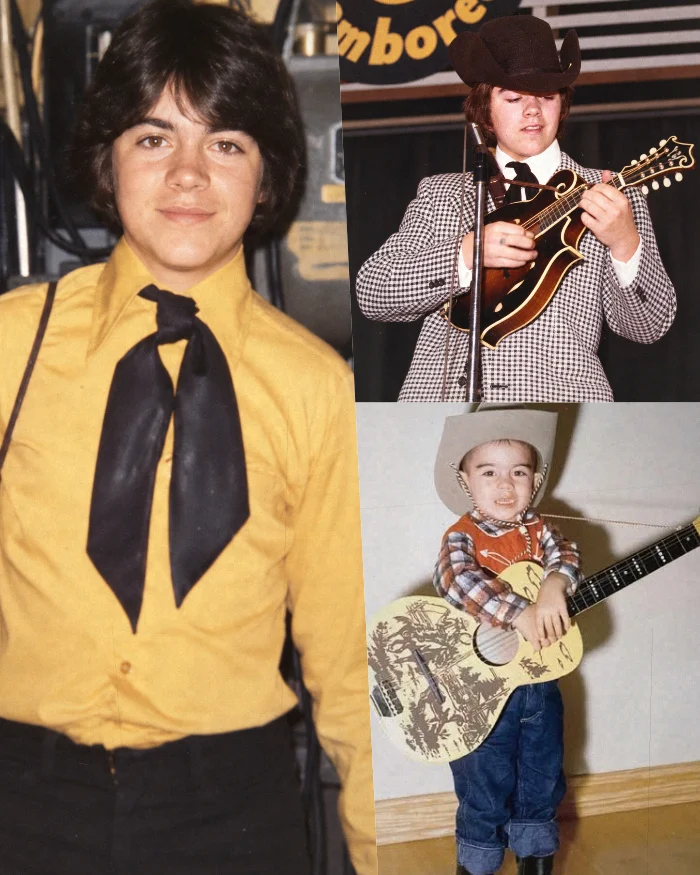
He was thirteen years old, standing in the wings of a Delaware festival stage, his fingers calloused from years of practice, his heart pounding with a mix of fear and exhilaration. Marty Stuart, the boy from Philadelphia, Mississippi, who had been mocked and isolated for his love of old-time music, was about to audition for Lester Flatt, a legend of bluegrass. This was the moment that would validate every lonely afternoon spent in his bedroom, coaxing melodies from an eight-string mandolin.
Stuart’s journey began in a small timber town where fitting in was everything火热, and he fit nowhere. While his peers obsessed over sports, he was consumed by the high-lonesome sound of Bill Monroe. His mother, Hilda, an amateur photographer and avid music lover, noticed her son’s unusual ear for rhythm early on. By age nine, he had moved from guitar to mandolin, its percussive chop and piercing voice mirroring his own restless spirit.
Instead of lingering on school playgrounds where classmates ridiculed his styled hair and old-fashioned tastes, Stuart found his escape in the vibrant regional bluegrass scene of the late 1960s. At twelve, he joined the Sullivan Family Gospel Singers, a traveling ensemble that performed in tents and rural auditoriums across the Deep South. This was his real education—learning the discipline of professional travel, tight harmonies, and the art of sharing a stage with seasoned pickers who quickly recognized his prodigious talent.
That touring circuit eventually led to a fateful encounter in the summer of 1972. At a Labor Day festival in Delaware, Stuart met Roland White, mandolin player for Lester Flatt’s Nashville Grass. White was so impressed by the boy’s dexterity and work ethic that he arranged an audition with Flatt himself. Flatt, skeptical of hiring someone so young, was won over not by showmanship but by Stuart’s absolute steadiness and deep reverence for tradition—qualities honed through years of drilling Monroe and Flatt & Scruggs recordings until his fingers bled.
By October 1972, the thirteen-year-old had packed his small suitcase, said goodbye to his hometown, and climbed aboard Flatt’s bus. The schoolyard isolation was gone, replaced by an instrument case, an idling engine, and a nightly place at the microphone beside one of bluegrass’s founding fathers. What began as a refuge from cruelty had become the foundation of a lifelong career, proving that the very things that made him an outsider were the ones that would make him a legend.